Working Safely Around Heavy Equipment

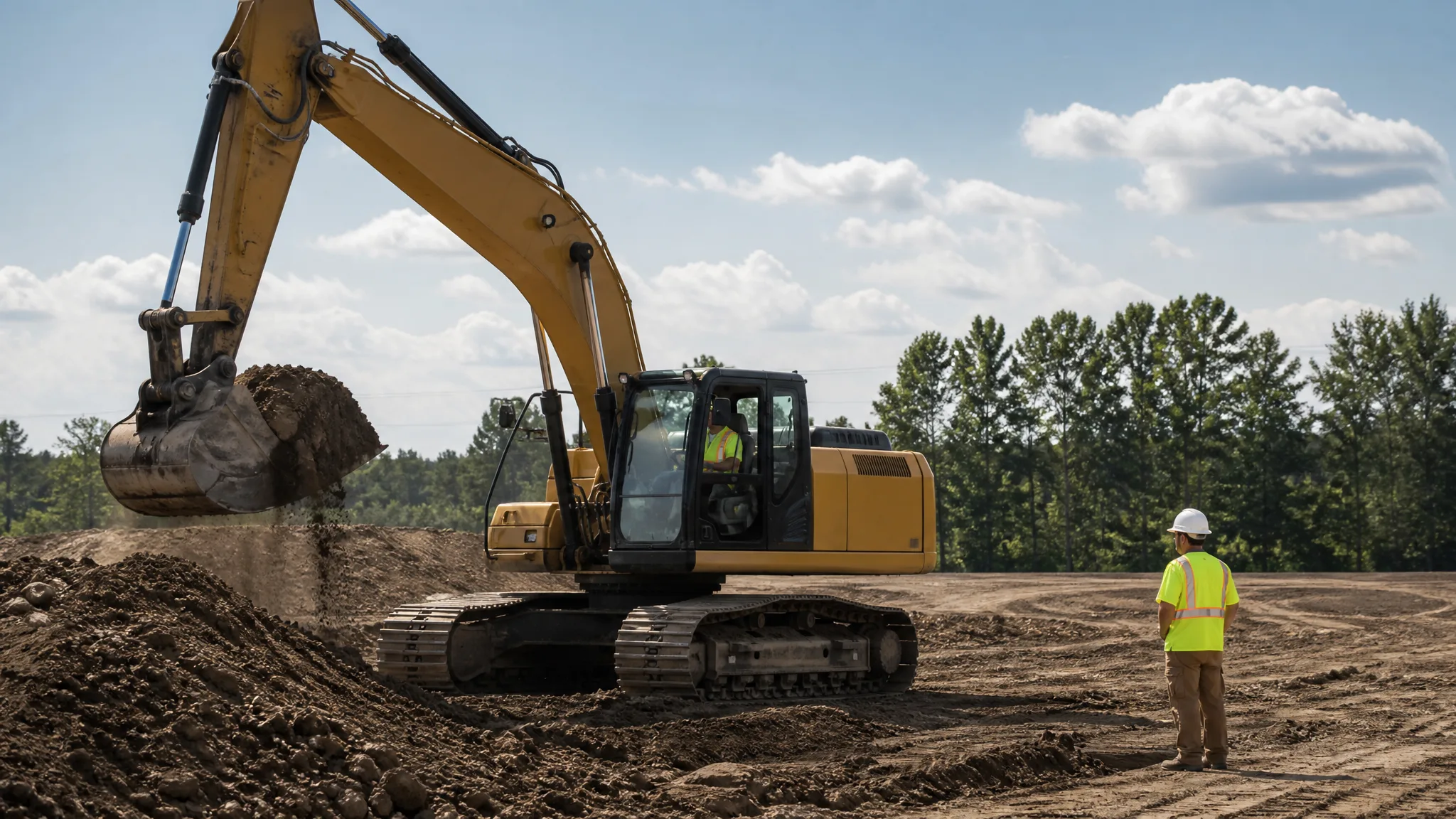
Heavy equipment moves the dirt, but it also creates one of the most unforgiving hazards on any construction site. A machine that weighs 30,000 pounds or more does not stop quickly, cannot always see a person on foot, and can crush or pin a worker before the operator ever realizes someone stepped into the wrong place. The good news is that almost every one of these incidents is preventable with a handful of habits that are easy to build into a crew's daily routine.
Why Working Around Equipment Is So Dangerous
Struck-by incidents are one of the construction industry's "Focus Four" hazards, and heavy equipment is involved in the majority of them. According to OSHA, roughly 75 percent of struck-by fatalities involve heavy equipment such as trucks or cranes, and about one in four "struck by vehicle" deaths in the workplace happens to a construction worker. The danger is not only being run over. Workers are also pinned between a machine and a wall, hit by a swinging bucket or counterweight, or crushed when a machine tips over.
The common thread in most of these cases is a breakdown in communication. A worker walks through an operator's blind spot, a driver backs up without a spotter, or two machines end up working in the same space without a plan. Every control below exists to close that gap.
Understanding Blind Spots
Every piece of equipment has blind spots, and they are bigger and closer than most people expect. An excavator cannot see directly behind its counterweight or beside its tracks. A dump truck loses sight of anything within several feet of its rear bumper. Skid steers and compact track loaders are notorious for poor visibility around the loader arms.
A simple field rule helps: if you cannot see the operator's eyes or the machine's mirrors, assume the operator cannot see you. Never rely on the operator to spot you. If you must work near a machine, stay in a position where you can see the operator and the operator can see you.
The Operator's Responsibilities
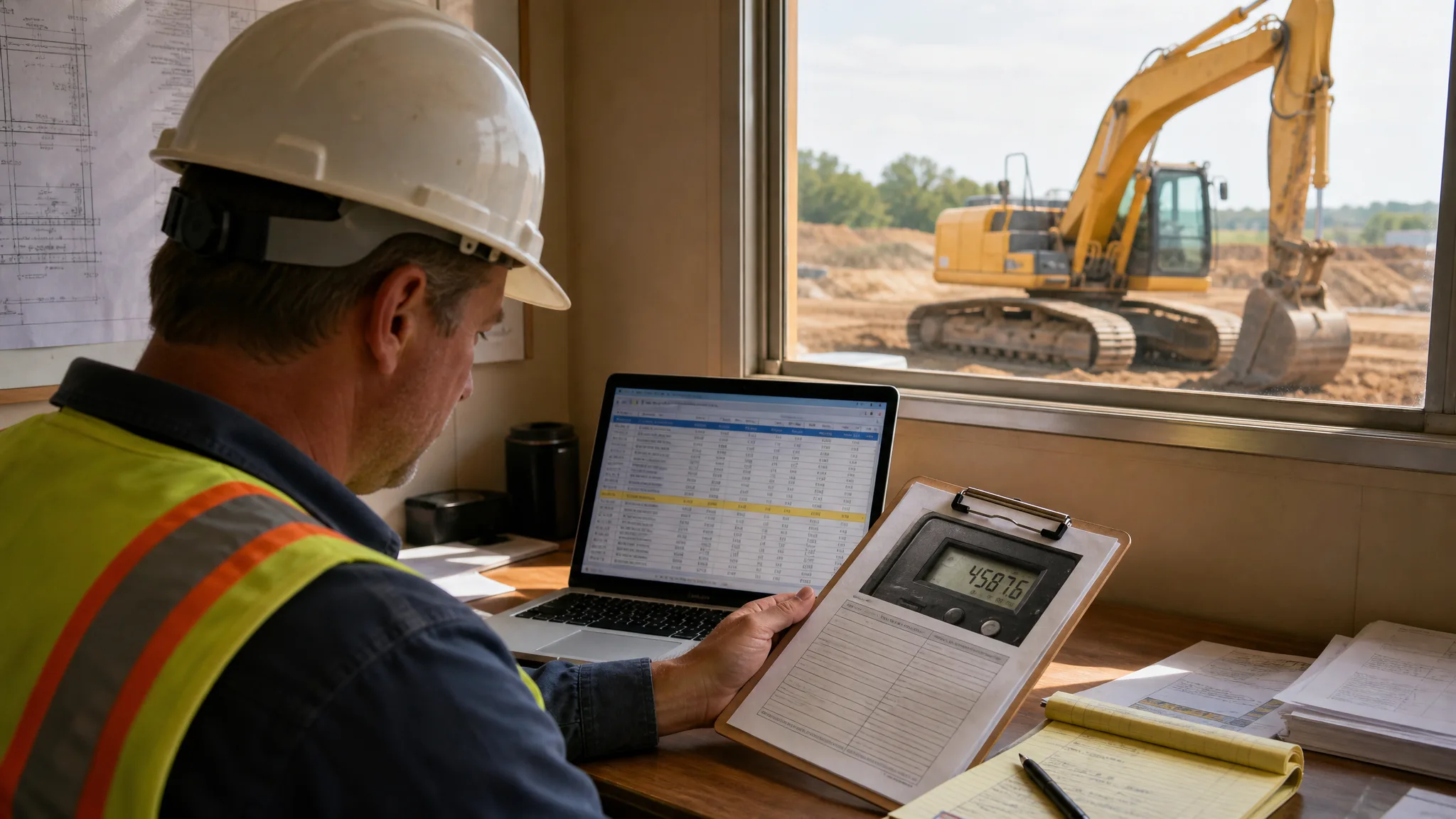
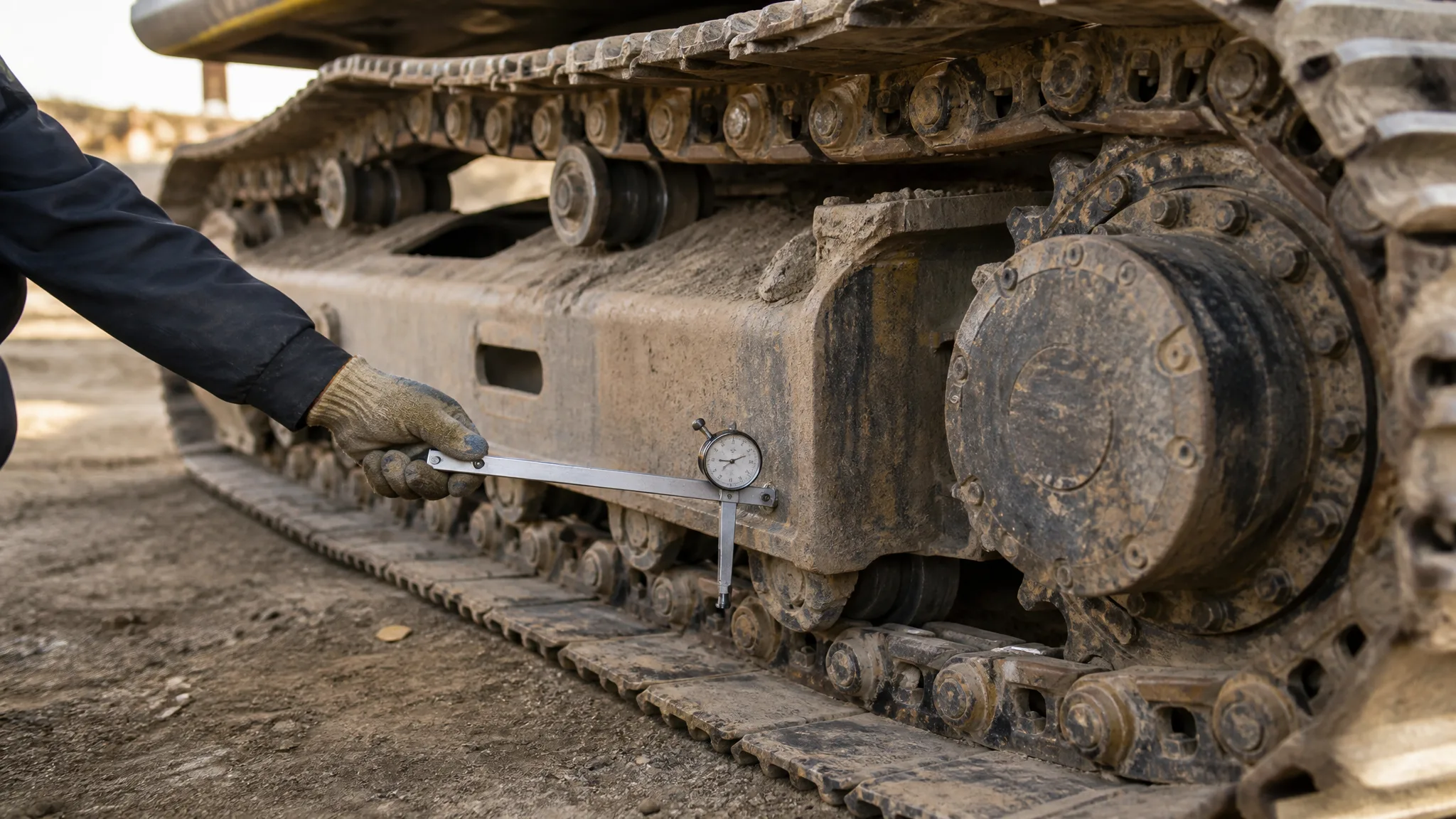
Safe equipment operation starts before the machine moves. OSHA requires that motor vehicles in use be checked at the beginning of each shift, with all defects corrected before the vehicle is placed in service (29 CFR 1926.601(b)(14)). That inspection includes brakes, steering, horns, alarms, lights, tires, couplings, and seat belts.
Operators must wear seat belts whenever the machine is equipped with them and a rollover protective structure (1926.602(a)(2)). Machines with an obstructed view to the rear must not be operated in reverse unless they have a reverse signal alarm distinguishable from the surrounding noise, or another employee signals that it is safe (1926.601(b)(4) and 1926.602(a)(9)). Blades, buckets, and dump bodies should be lowered or blocked when not in use, controls left in neutral, and parking brakes set whenever the machine is parked.
The Ground Worker's Responsibilities
Workers on foot carry just as much responsibility. The basic habits are simple but they save lives: make eye contact and get a clear acknowledgment before entering a machine's work area; never walk or stand between a machine and a fixed object like a wall, truck, or another piece of equipment; and never ride on a bucket, blade, or forks unless there is a designated safe seat.
Stay outside the swing radius of any machine with a rotating house. On an excavator, the counterweight swings well behind and beside the machine, not just over the bucket. When a machine is repositioning, stop and let it settle before you move through the area.
Spotters, Hand Signals, and Communication
A spotter is one of the cheapest and most effective controls on a busy site. Spotters should be positioned so they can see both the operator and the area behind or around the machine, and they should stay visible to the operator at all times. If a spotter steps out of the operator's view, the machine should stop.
Agree on hand signals before work starts, and keep them consistent across the crew. OSHA's signaling requirements (1926.201) cover standard signals for signaling operations, and every worker on foot should know them. Radios or two-way communication are useful on large sites, but they should supplement, not replace, eye contact. Where mobile equipment works near an excavation edge and the operator lacks a clear view of that edge, OSHA requires a warning system such as barricades, hand or mechanical signals, or stop logs (1926.651(f)).
High-Visibility Apparel
Visibility clothing is a control, not a formality. OSHA's construction guidance requires workers to be highly visible in all levels of light, with warning clothing such as orange or red vests, and reflective material for night work. Within a road or highway right-of-way, the MUTCD (Section 6C.05) requires high-visibility safety apparel meeting ANSI/ISEA 107 Performance Class 2 or 3 for all workers exposed to traffic or to construction equipment.
A vest alone is not a force field. It helps an operator pick you out of a busy background, but it does not make a machine stop or see through a blind spot. The vest works only in combination with distance, eye contact, and planning.
Internal Traffic Control Plans
On sites with a lot of equipment movement, the best control is a plan that keeps people and machines apart in the first place. An internal traffic control plan (ITCP) establishes designated haul routes, pedestrian walkways, staging areas, and access points so workers on foot and equipment are separated as much as possible. NIOSH promotes ITCPs specifically to reduce struck-by and backover incidents.
Design haul routes to minimize backing. A truck that can pull through a loading area never needs to back over a spot where a worker might be standing. Mark walkways and equipment-only zones with cones, tape, or barricades, and keep them current as the site changes.
Establishing Equipment Exclusion Zones
Every machine should have a defined working zone that workers on foot do not enter without permission. For an excavator, that zone includes the swing radius, the area under a raised bucket, and the space in front of the tracks. For a dump truck, it includes the backing path and the space beside the wheels.
Barricade these zones where practical, especially around trenches and excavation edges. A short section of safety tape or a few cones sends a clear signal that a machine owns that space. When there is no physical barrier, the rule must still hold: stay out of the swing and travel path unless the operator has acknowledged you.
Parking, Servicing, and Maintenance Safety
Machines hurt people when they are parked, too. Never work under a raised bucket, blade, or dump body unless the component is substantially blocked or cribbed to prevent it from falling or shifting (1926.600). Use the manufacturer's provided prop or supports, not a jack alone.
Before servicing, lower attachments to the ground, shut the machine down, and let it cool. Make sure the operator removes the key or locks out the controls so no one can start the machine while someone is working on it. Keep the area under and around the machine clean of tools and material that could cause a slip or a fall.
Training and Jobsite Culture
OSHA requires employers to instruct each employee in the recognition and avoidance of unsafe conditions (1926.21(b)(2)). That training should cover not just the operator but every worker who will set foot near equipment. Toolbox talks, a new-worker orientation, and daily pre-task planning all reinforce the same message.
The strongest control is a culture where anyone can stop the work. A worker who sees a machine moving toward a person should never hesitate to shout or signal a stop. Give every crew member the authority to speak up, and back them when they do.
Common Mistakes to Avoid
- Crossing behind a machine instead of in front of it, where the operator can see you.
- Assuming a backup alarm means the operator knows where you are.
- Standing inside an excavator's swing radius.
- Working under an unblocked bucket, blade, or dump body.
- Riding on a bucket, forks, or step without a designated seat.
- Leaving haul routes and walkways unmarked as the site changes.
- Skipping the start-of-shift equipment inspection.
Working safely around heavy equipment comes down to visibility, distance, and communication. If everyone on the site knows where the machines are working, stays where they can be seen, and speaks up when something looks wrong, the most dangerous part of the jobsite becomes one of the most predictable. For more on running equipment itself, see our guide on how to operate an excavator, and for excavation-specific hazards, review when trench protection is required. When a dig is planned near utilities or power lines, plan the work around calling 811 before you dig and excavation near overhead power lines. And when a machine does get bogged down, our field guide to why heavy equipment gets stuck and how contractors recover it safely covers the recovery process step by step.