How to Operate an Excavator


An excavator is the most versatile machine on most dirt jobs, and the one new operators misread the fastest. The controls take an afternoon to learn and years to master, because the real skill is not memorizing joystick directions. It is understanding how force moves through a boom, a stick, and a bucket, and how quickly a machine on soft ground in a tight space becomes a safety problem. This guide covers the control patterns, the pre-shift routine, and the digging habits that separate a productive operator from an expensive one.
The Four Motions You Control
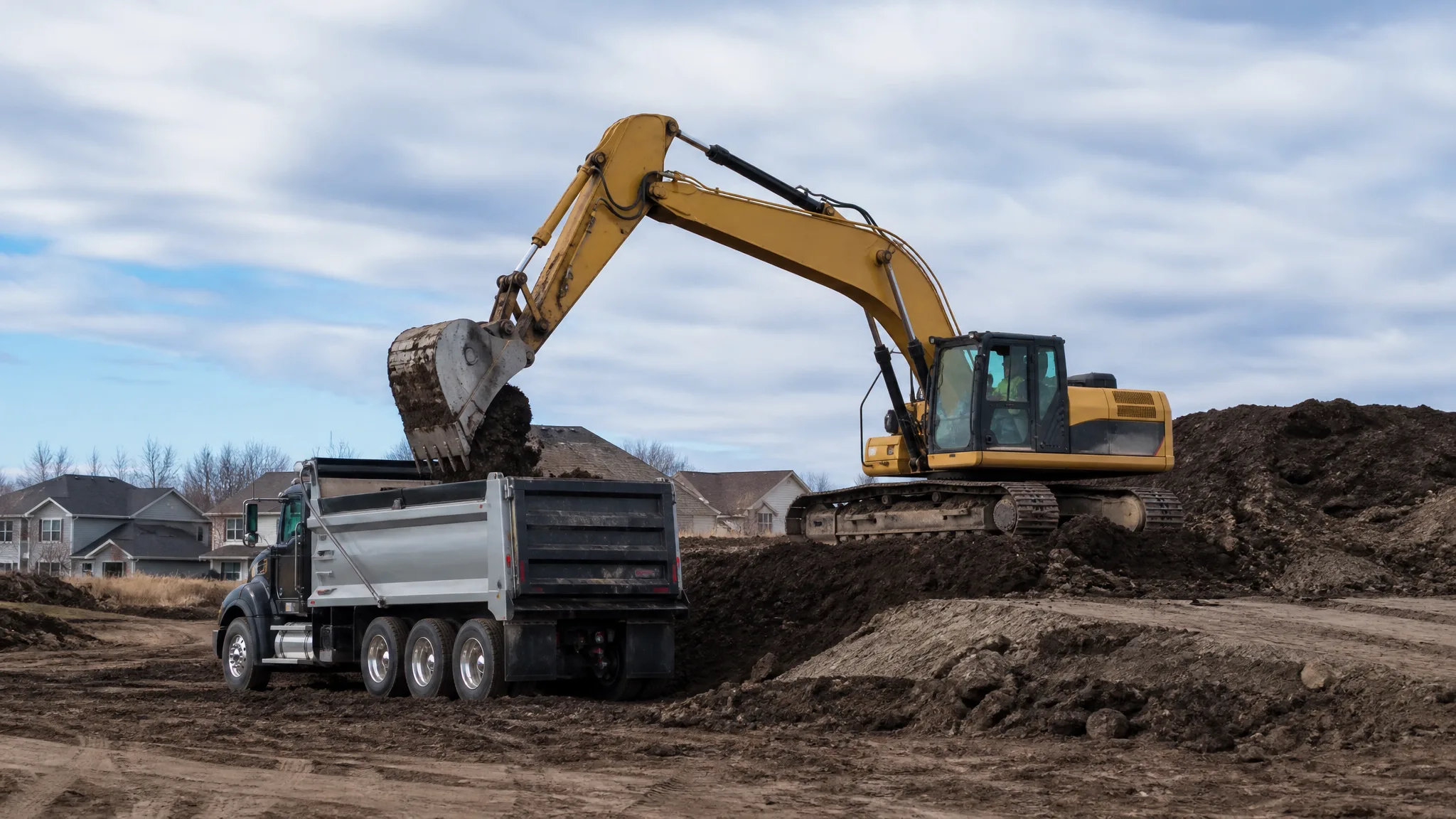
Every excavator does the same four things. The boom raises and lowers the whole assembly. The stick (also called the arm or dipper) reaches in and out. The bucket curls and dumps. The upper structure swings left and right above the undercarriage. Two joysticks control all four functions, while travel runs on separate pedals or levers. If any of those names are new to you, it helps to start with the major parts of an excavator and what each one does.
The idea that matters most is that the machine digs with the stick and the bucket, not with the boom. Digging force is greatest when the bucket curls while the stick pulls in toward the machine. The boom positions the assembly and lifts the spoil clear. Operators who try to dig by dropping the boom work harder, wear the machine out faster, and move less dirt.
ISO vs. SAE Control Patterns
There are two standard joystick layouts, and you have to know which one you are sitting in before you move anything.
- ISO pattern: the left joystick controls swing and the stick; the right joystick controls the boom and the bucket. This is the most common layout worldwide and is standardized in ISO 10968 and SAE J1177. Many operators call it the excavator pattern or "Cat controls."
- SAE pattern: the left joystick controls swing and the boom; the right joystick controls the stick and the bucket. This is common in the United States and is often called the backhoe or "Deere" pattern, because it mimics backhoe loader controls.
The only real difference is which hand runs the boom and which runs the stick. Swing stays on the left and the bucket stays on the right in both layouts. Many modern machines let you switch patterns with a toggle near the floorboard or behind a cab panel, so check the operator manual or ask the rental yard before you start. If you are switching patterns after years in the other one, plan on several hours of relearning and practice basic movements in an open area before doing anything precise.
The Pre-Shift Walk-Around
Professional operators spend five minutes walking the machine before every shift, and that habit prevents most expensive failures. Look for fresh hydraulic leaks or drips under the machine, track tension and visible track or undercarriage damage, cracks or heavy wear on the boom, stick, and bucket, missing or worn teeth, and fluid levels for hydraulic oil, engine oil, coolant, and fuel. Test lights, the horn, and the backup alarm.
Then look outward. Survey for overhead power lines and structures, confirm underground utilities have been located before you dig, and check the ground you will be working on for soft spots, undermined edges, or standing water. If you have not already, that underground check starts with a call to 811, and the rules for working around overhead power lines are not negotiable. A full daily maintenance checklist is worth keeping in the cab.
Starting Up and Warming the Machine
Enter the cab with three points of contact, get seated, fasten your seat belt, and close the door. Seat belts are required on earthmoving equipment under 29 CFR 1926.602(a)(2)(i), and they only work if they are worn. Adjust the seat and mirrors, then confirm the attachment is properly coupled before you lift anything.
Start the engine and let it idle to warm up, then cycle the hydraulics slowly through their full range with no load. Cold hydraulic oil is thicker, which makes every function feel sluggish and delayed. On a cold morning, a few minutes of gentle warm-up is the difference between smooth control and overshooting your dig line. Before digging, function-test the machine in an open area so you know how it responds.
Basic Digging Technique
Set up first. Position the machine so the work is in front of you, the machine is level, and the swing angle between the dig and the spoil is as small as the job allows. A level machine digs a better trench and puts far less stress on the undercarriage than one cocked over on a slope.
- Enter the ground with the teeth angled to bite, then curl the bucket while pulling the stick in. Let the bucket do the cutting.
- Do not swing with the bucket buried. Side loads bend sticks and booms and are one of the fastest ways to damage a machine.
- Never use the bucket as a hammer or a pry bar. If the material needs breaking, use the right attachment.
- Keep the bucket matched to the material. Digging dense clay with a wide bucket is slow and hard on the machine, so pick the bucket to suit the soil you are actually digging.
- Work in controlled passes rather than taking one huge bite and stalling out.
Dig over the front idlers when you can. Lifting and digging capacity is lower over the side, so reach and power are both reduced when you work sideways.
Tracking and Traveling Safely
Travel with the bucket low, roughly a foot or two above the ground, and the stick tucked in. A raised bucket raises the center of gravity and restricts your view. Keep the machine pointed straight up or down any slope you have to cross rather than traveling across the face, and keep the bucket on the downhill side as a counterweight that can also be used to steady the machine.
Access roads and grades have to be built and maintained well enough to safely carry the equipment you are running, which is an OSHA requirement under 1926.602(a)(3)(i), not just good manners. Soft ground is the other travel hazard: once a machine breaks through the crust, recovery gets expensive and dangerous. Watch the surface ahead, keep to established haul routes, and know the warning signs of a machine about to sink before you commit.
Truck Loading and Cycle Time
Loading efficiency is mostly setup. Position the excavator so the truck sits within a short swing, ideally around 90 degrees or less between the dig face and the truck bed. Bench height wants to be close to the haul truck sideboard height, which lets you dump without lifting the load high and slow.
Fill the bucket properly - a heaped bucket that spills on the swing wastes a pass, and an under-filled bucket wastes an entire cycle. Then keep moving. Cycle time is the single biggest lever on excavator production, and swing angle is the biggest component of cycle time: shaving a few seconds per pass changes the yards per hour more than most operators expect.
Safety rules for loading are simple and absolute. Never swing a bucket or a load over people or over a truck cab. If the truck driver cannot see you, use a spotter and agree on signals first.
Digging a Trench
Trenching rewards preparation. Lay out a paint or string line, align the machine with it, and cut a reference pass along the line to establish direction before you commit to full depth. Use offset marks so you have a visible reference if you have to move the machine.
Keep the spoil on one side and far enough back that the edge stays stable - OSHA requires spoil at least two feet from the edge, and many soils need considerably more. Check depth with a rod or grade system rather than eyeballing it from the cab, because the operator's view is deceiving.
And remember that on any trench a person will enter, the machine work is only half the job. Trench protection requirements and the common trenching mistakes that lead to collapses are their own subject, and they start at a five-foot depth for a reason.
Lifting, Attachments, and the Quick Coupler
An excavator can lift, but it is not a crane. Rated capacity changes with reach, height, and swing position, and capacity over the side is significantly lower than over the front. Check the load chart for the exact configuration before you pick anything, use rated rigging, and never lift over people.
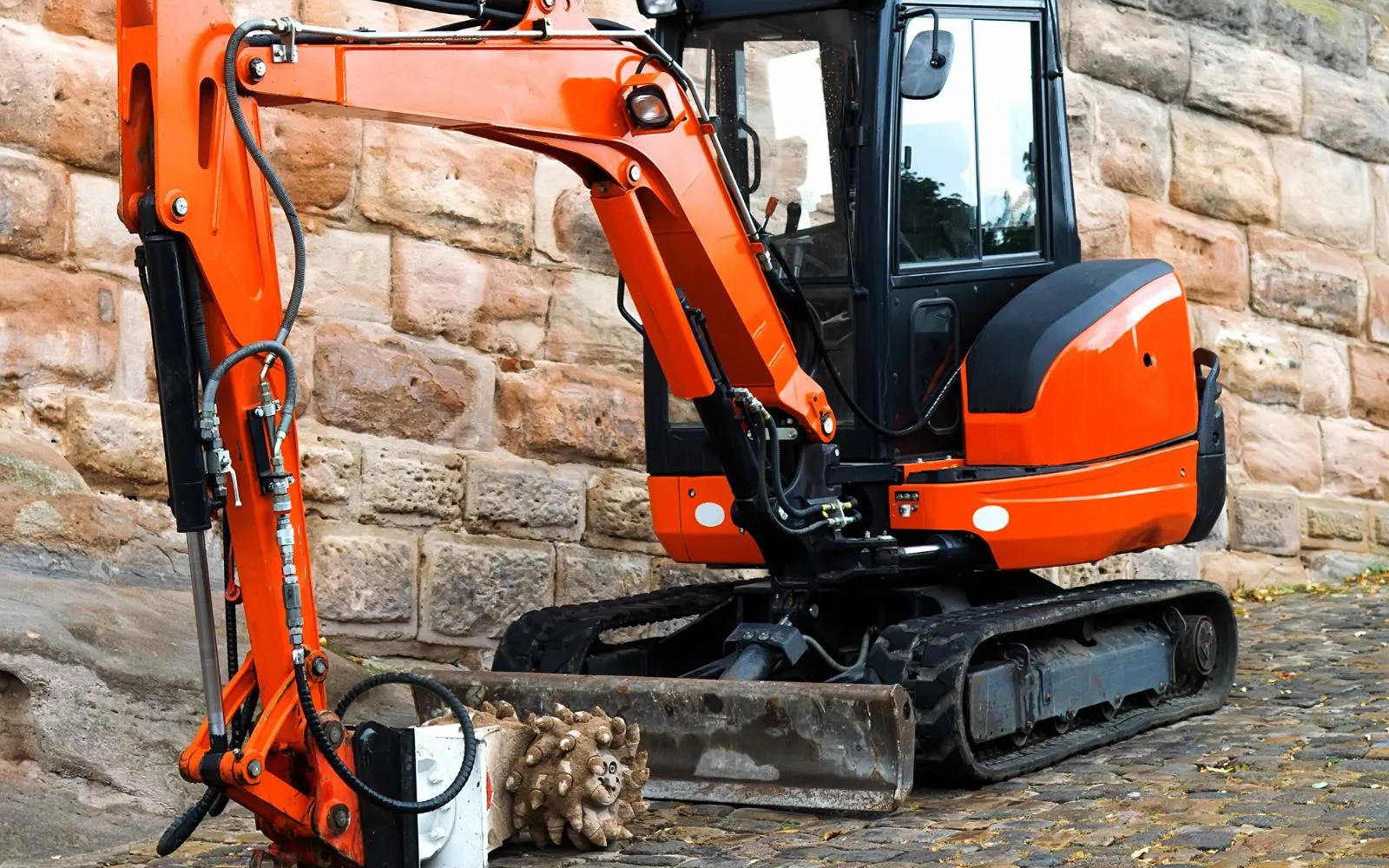
Attachment changes carry their own risk. Confirm the quick coupler is fully engaged by following the manufacturer's procedure - a visual check plus the prescribed function test, not a guess - and keep the bucket or tool clear of the ground before releasing the lock. Worn couplers and mismatched pins are a common cause of dropped attachments.
Mistakes New Operators Make
- Digging with the boom instead of the stick, which is slow, hard on the machine, and imprecise.
- Swinging while the bucket is buried, twisting the stick and boom.
- Jerky joystick inputs. Smooth lever movement is faster in the long run than maximum effort.
- Overloading the bucket and spilling on every swing.
- Ignoring tail swing on tight sites, where the counterweight sweeps a wider arc than the tracks.
- Skipping the locate call, then finding a gas line with the bucket.
- Ignoring grease and daily checks until a pin or bushing fails.
Training and the Rules That Apply
There is no universal federal license required to run an excavator on private work, and requirements for operating an excavator vary by state, project, and owner. What is universal is the employer's duty: under 29 CFR 1926.21(b)(2), every employer must instruct each employee in recognizing and avoiding unsafe conditions and in the rules that apply to the work. That instruction is what stands between a new operator and a machine they cannot control safely.
Beyond training, the rules that come up most often on an excavator job are seat belts, horns and backup alarms on equipment with an obstructed rear view, stable access roads and grades, and the excavation standards that govern spoil placement, protection systems, and inspections. Learn them once, and they become part of how you set up every job.
Fluency comes from repetition: accurate buckets, short swings, steady travel, and a machine that stays level and stable. Get those four things right and everything else about operating gets easier.