What Is a Geotechnical Report?


A geotechnical report is the document that tells you what is actually under a site before anyone digs. It is written by a licensed geotechnical engineer after field exploration and lab testing, and it drives real decisions about foundation type, footing depth, fill, drainage, and dewatering. Skip it, and you are guessing with the most expensive part of the project.
What a Geotechnical Report Is
A geotechnical report — also called a geotech report or soil report — summarizes the soil, rock, and groundwater conditions beneath a site and gives engineering recommendations for how to build on it. It is not a single soil test; it is an interpretive document signed and stamped by a licensed professional engineer.
On a residential lot it might cover two or three borings; on a commercial or hillside project it can involve dozens of borings, test pits, and laboratory programs. In every case the goal is the same: replace assumptions about the ground with measured data.
Why Soil Conditions Decide the Foundation
Every structure transfers its weight to the soil, and soil can only carry so much load before it settles or fails. The geotechnical engineer measures how strong the soil is and converts that into an allowable bearing pressure, which the structural engineer uses to size footings and slabs.
Soil also drives the problems that are expensive to fix later: expansive clay that swells and shrinks, soft fill that settles unevenly, shallow groundwater, and rock at an awkward depth. A report identifies those conditions while they can still be designed around. Ignoring them is a common reason building pads fail.
When a Geotechnical Investigation Is Required
The International Building Code (Section 1803.2) requires geotechnical investigations for many projects and directs them under Section 1803.5. The code official may waive the requirement when satisfactory data from adjacent areas shows an investigation is not necessary for the listed conditions.
Section 1803.5 lists conditions that trigger an investigation, including questionable soil, expansive soil, groundwater above or within 5 feet below the lowest floor elevation below grade, deep foundations, rock strata, and excavation that reduces support from an existing foundation. Expansive soil is identified using criteria such as a plasticity index of 15 or greater, more than 10 percent passing the No. 200 sieve, and an expansion index greater than 20.
Even where a report is not strictly required, many building departments and lenders want one, and buyers often make a land offer contingent on acceptable soil results.
How the Subsurface Investigation Is Done
The most common field method is the soil boring, drilled with a hollow-stem auger rig. At intervals a sampler is driven into the soil and the resistance is recorded using the Standard Penetration Test (ASTM D1586), which is the basis for the "blow count" shown on the logs.
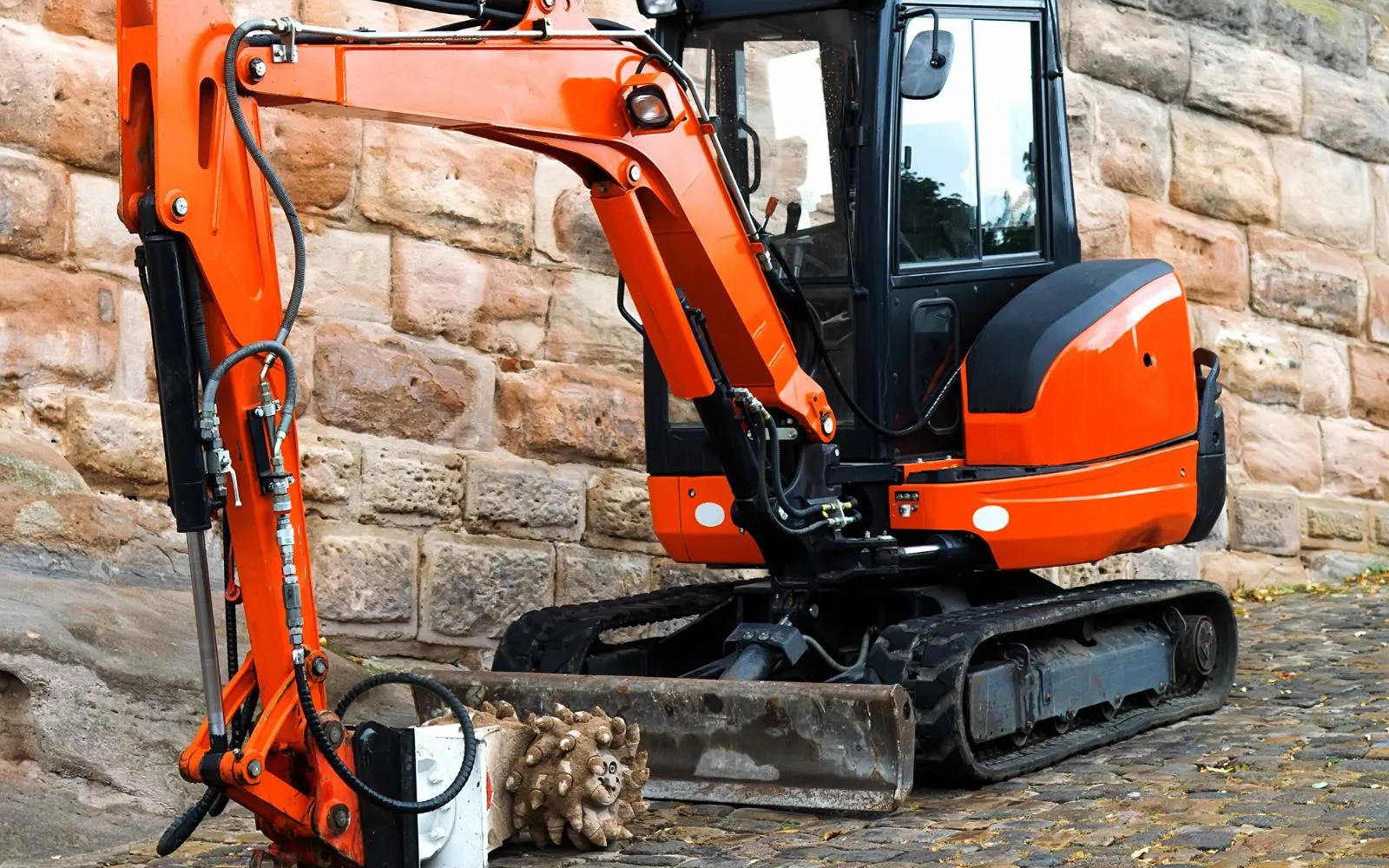
Test pits dug with an excavator offer a fast, visual look at shallow soils and are useful on sites with variable fill or shallow rock. Samples go to a laboratory for classification and testing — grain size and soil type per ASTM D2487, moisture content, density, plasticity, and compaction characteristics — and rock is classified and often cored. The same subsurface picture also feeds pre-excavation subsurface analysis for utility and earthwork planning.
Reading Boring Logs and SPT N-Values
A boring log describes the soil from the ground surface down, layer by layer, with depth increments on one side and soil descriptions on the other. Each description combines grain size, color, consistency, and moisture — for example, "medium dense, brown, fine-grained sand."
The Standard Penetration Test result, or N-value, is the number of hammer blows needed to drive the sampler one foot. As a rough guide, values below 5 indicate very loose or soft soil with poor bearing capacity, 5 to 10 is loose, 10 to 30 is medium or firm, and above 30 is dense and strong. The logs also record where groundwater was encountered.
What the Report Actually Contains
- An executive summary of findings and foundation recommendations
- Scope and methodology — where the borings went and how deep
- Boring logs with soil descriptions and N-values at each depth
- Laboratory test results, including classification and compaction data
- Recommendations for allowable bearing pressure, footing depth, fill, and dewatering
- Conclusions and the stated limitations of the investigation
Allowable Bearing Capacity and Footing Design
The headline number in most reports is the allowable bearing pressure, given in pounds per square foot (psf) for each bearing layer. A larger number means smaller, cheaper footings; a small number means larger footings or a different foundation system.
The math is straightforward. If a column carries 300 kips, or 300,000 pounds, and the allowable bearing pressure is 3,000 psf, the footing needs 100 square feet — about 10 by 10 feet. Drop the allowable pressure to 2,000 psf and the same footing must grow to roughly 15 by 15 feet, which adds concrete, steel, and cost. That is the number that ultimately shapes house foundation excavation.
Where retaining walls are involved, the report also supplies lateral earth pressure values so the wall can be designed for the soil pushing against it.
How the Report Shapes Excavation and Earthwork
For the excavation contractor, the report answers the questions that decide schedule and cost: how deep the organic surface layer and any unsuitable fill must be stripped, whether the bearing soil sits where the footings will go, and how much groundwater to expect.
It also sets the fill and compaction requirements — material type, lift thickness, and percent compaction — that a crew must hit before a slab or pavement goes down, the same values checked by soil compaction testing. On soft or wet sites the report may call for undercut and replacement or soil stabilization, and it will flag when dewatering and deeper footing trenches such as a basement dig are needed. Contractors and owners can also use it to plan proof rolling and where to strip and stockpile topsoil before pad construction begins.
What a Geotechnical Report Costs
Published cost guides put a residential geotechnical report at roughly $1,000 to $5,000, with most standard single-family sites around $2,000 to $3,500 for two to three borings and lab work. Simple, flat lots sit at the low end; sloped, clay-heavy, or complex sites run higher, sometimes $6,000 to $10,000 or more.
Additional borings beyond those included typically cost $300 to $900 each, and rush service can add 20 to 40 percent. Commercial and hillside projects with extensive testing can exceed $10,000. Against the cost of a foundation failure, it is inexpensive insurance.
How Contractors and Owners Should Use It
Owners should commission the report early — before finalizing plans or closing on land — so the foundation design reflects real conditions. On a land purchase, tie the offer to acceptable soil results so you can walk away if the site turns out to be unexpectedly costly to build on.
Contractors should receive the report as part of the bid documents and price the earthwork to its recommendations rather than assuming generic soil. A report from a neighboring lot is not a substitute: soil can change dramatically over a single block. Used correctly, from pad prep and slab subgrade to final grading, the geotechnical report is the cheapest part of getting the ground right.