How Much Does Land Clearing Cost?


Land clearing prices are all over the internet, and that is because they are all over the map in real life. National cost guides put the typical job somewhere between roughly $500 and $6,000 per acre, with light brush at the low end and dense timber at the top — and a single residential lot often lands between $1,200 and $4,000. The honest answer to "how much does land clearing cost?" is that the price is set by four things: what is growing on the property, what has to be removed below the surface, where the debris goes, and what has to happen after the clearing so the land is actually usable.
What Land Clearing Actually Includes
"Land clearing" means different things to different contractors, and comparing quotes without knowing the scope is how landowners get surprised. At a minimum, clearing covers cutting and removing the vegetation on the surface — brush, saplings, trees, and often stumps. From there it can extend to grubbing (pulling root systems out of the ground), hauling or disposing of the debris, and grading the site to a usable finish.
Some companies sell a bundle that includes felling, stump removal, debris disposal, and basic grading in one per-acre price. Others quote clearing alone and bill stump work, disposal, and grading as line items on top. Always ask what is included before you compare numbers, and get the scope in writing. If a pad, driveway, or building site is the end goal, remember that the clearing is only the first phase of site preparation.
Typical Land Clearing Costs per Acre
Recent national cost guides are fairly consistent once you separate brush from trees. Clearing land that is mostly grass, briars, and scattered saplings typically runs about $330 to $630 per acre. Lightly wooded property — scattered trees with manageable undergrowth — usually lands between roughly $730 and $2,300 per acre. Heavily forested land with dense, mature timber is the expensive end: most guides put it around $3,400 to $6,200 per acre, and jobs that require everything hauled off-site can go higher.
For a standard suburban lot of a quarter to a half acre, homeowners typically pay about $1,200 to $3,900 for a complete clearing package, including tree removal, stump grinding, and basic prep. Larger acreage works in your favor on a per-acre basis — agricultural-scale clearing often drops into the $1,200 to $2,500 per acre range because the same equipment keeps moving without re-setting. Size is not the only lever, though; density, terrain, and disposal all move the number more than acreage alone.
Why Vegetation Density Drives the Price
Vegetation is the single biggest cost variable because it controls how much machine time the job takes. A dozer or mulcher can roll through light brush in a few passes. Mature timber is a different operation: trees have to be felled deliberately, tops and brush dealt with, and trunks either pushed into piles, processed for firewood or timber value, or loaded for hauling. Each large tree adds labor, and a property with dozens of them racks up hours quickly.
Tree size matters as much as count. A 30-foot volunteer oak is a different proposition from a 90-foot hardwood that has to be dropped away from a structure or power line. Contractors who price by the acre build this into the rate; contractors who price by the tree will want to walk the property first. Whatever the pricing style, be wary of a phone quote on a wooded lot that was never inspected.
What Stump Removal Adds to the Bill
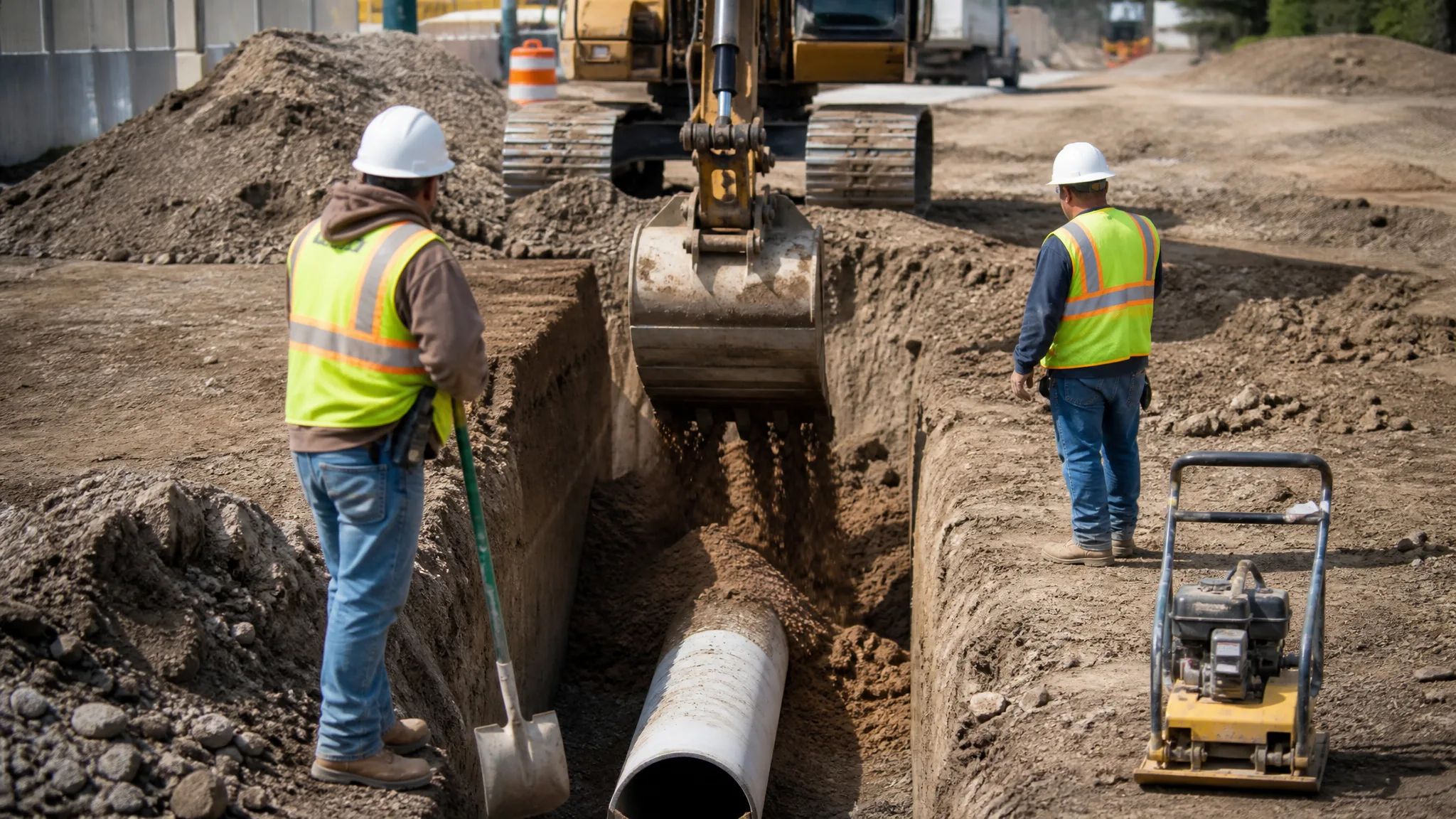
Stumps are the cost that landowners most often underestimate, because cutting a tree down does not make the stump disappear. Stump grinding typically runs about $100 to $400 per stump, often quoted at $2 to $5 per inch of stump diameter, with minimums for the first stump on small jobs. Full grubbing — pulling the stump and the root ball out with an excavator and removing it — costs more than grinding but is the right call where deep roots would interfere with grading, utility trenches, or compaction.
Whether you need stumps gone at all depends on the end use. For pasture or a food plot, grinding the high stumps flat may be enough. For a building site, leaving root systems in place is asking for trouble: organic material decays and the voids it leaves can show up later as settlement under a building pad. If construction is the goal, budget for full stump removal and say so when you collect quotes, because not every bidder includes it.
Debris Disposal: The Hidden Cost Swing
Everything that gets cut has to go somewhere, and the disposal method can change the total by thousands of dollars on a wooded lot. The cheap path is piling debris on site and burning it where open burning is legal and permitted — but many counties restrict or ban burning, and smoke complaints are a real risk in populated areas. Chipping or mulching vegetation in place keeps material on the property and often eliminates disposal fees entirely, which is why forestry mulching has become so popular for brush-dominated lots.
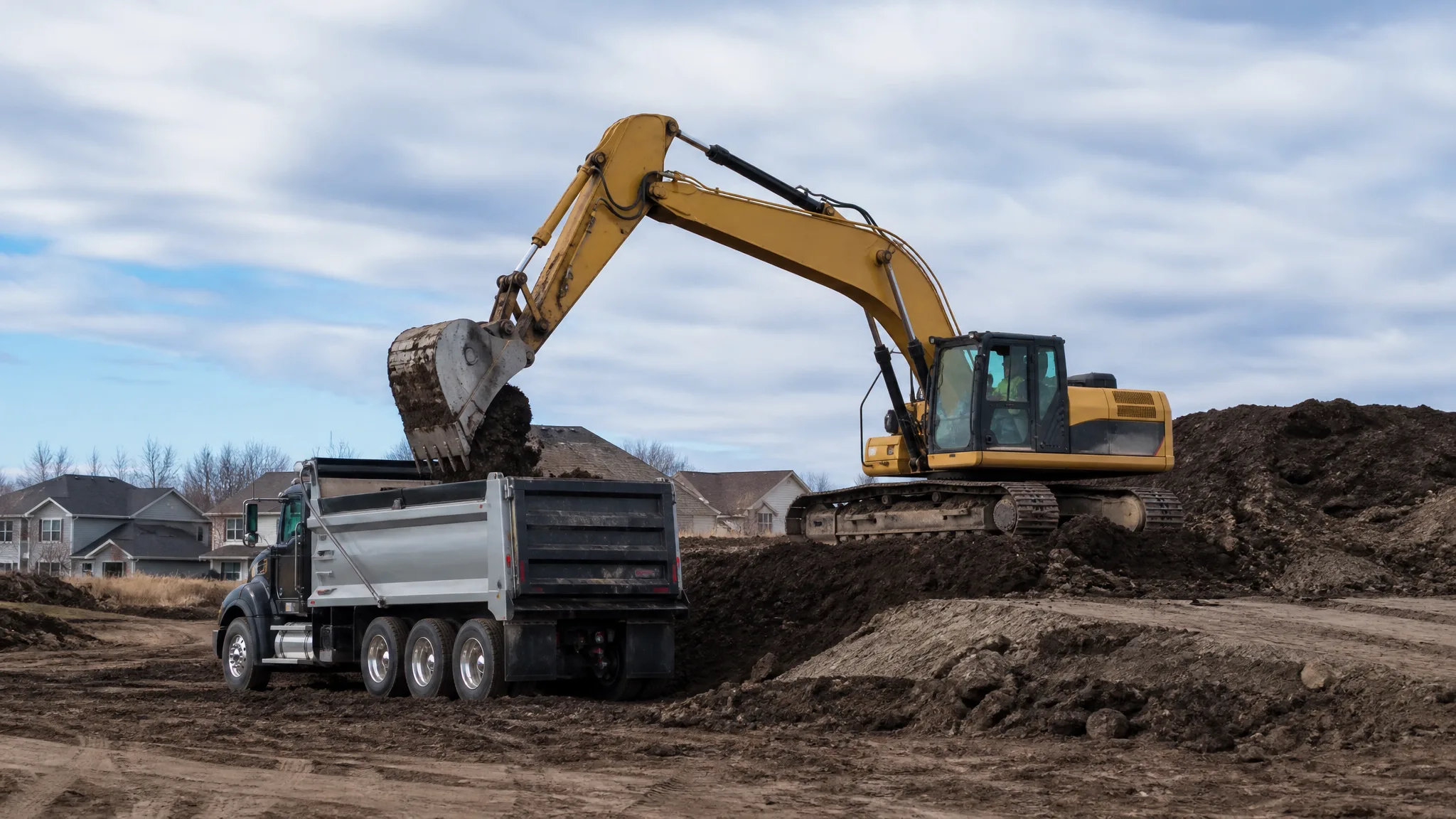
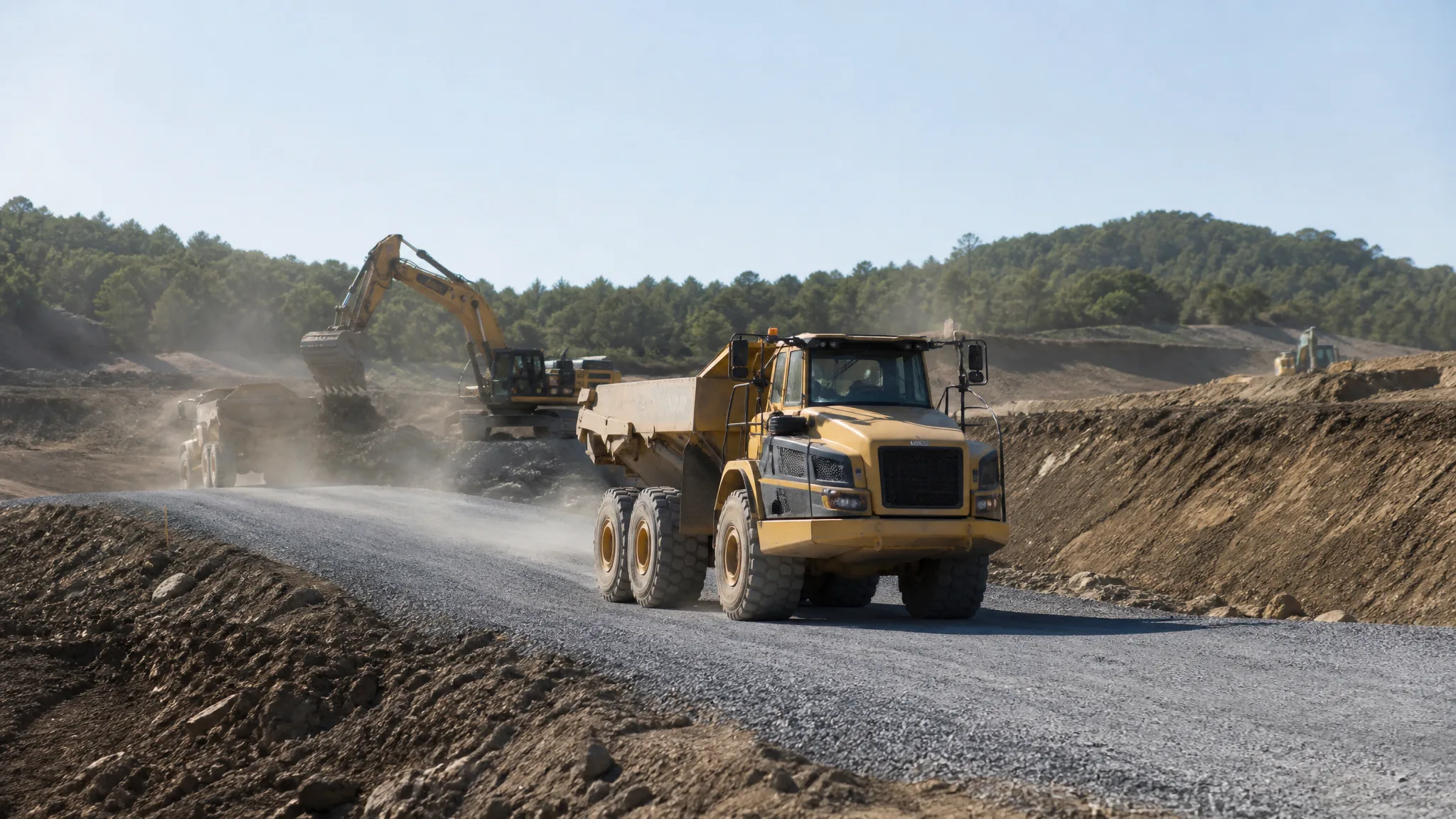
Hauling is the expensive option. When every log, limb, and root has to be loaded and trucked to a disposal site, contractors are paying for labor, trucking, and tipping fees, and they price it accordingly — timber-haul costs can add $500 to $2,000 or more per acre on heavily forested jobs. Haul-away also turns the cleared site into a material-handling operation with staging piles, access lanes, and truck traffic. Ask explicitly how debris will be handled: burned, chipped, piled for you to deal with later, or hauled off — and what each option costs.
Equipment, Labor, and the DIY Question
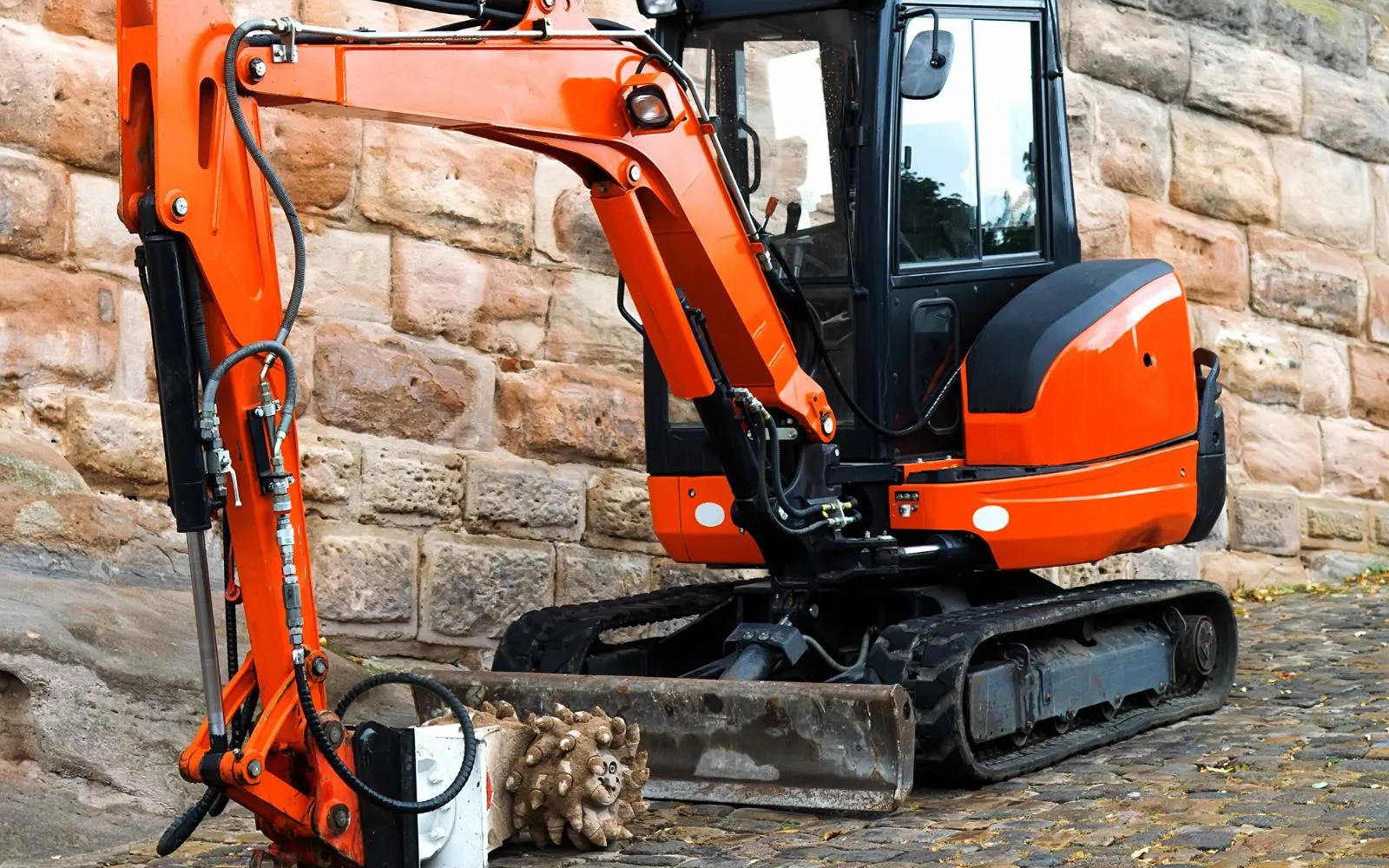
Machine choice follows the vegetation. A bulldozer is the classic clearing tool: it pushes brush and trees into windrows and can grub shallow roots as it goes. Excavators with grapples and thumbs handle selective work, stumps, and loading trucks, while mulching heads — on skid steers, excavators, or dedicated machines — grind standing brush and small trees into ground cover in a single pass. Most clearing crews run two or more machines, and you can see the difference in the hourly rate.
Professional clearing services typically bill somewhere in the range of $110 to $250 per hour with equipment and operator included, and most quote by the project or acre after a site visit. DIY is genuinely viable on small, flat, light-brush lots: renting a compact tractor or mini excavator can keep equipment costs in the hundreds rather than thousands. The line is crossed quickly, though. Dense woods, large trees, steep ground, stumps, and any clearing near structures or utilities are jobs for insured professionals with the right iron — the same judgment call that applies to any excavation work.
Terrain, Access, and Local Rules
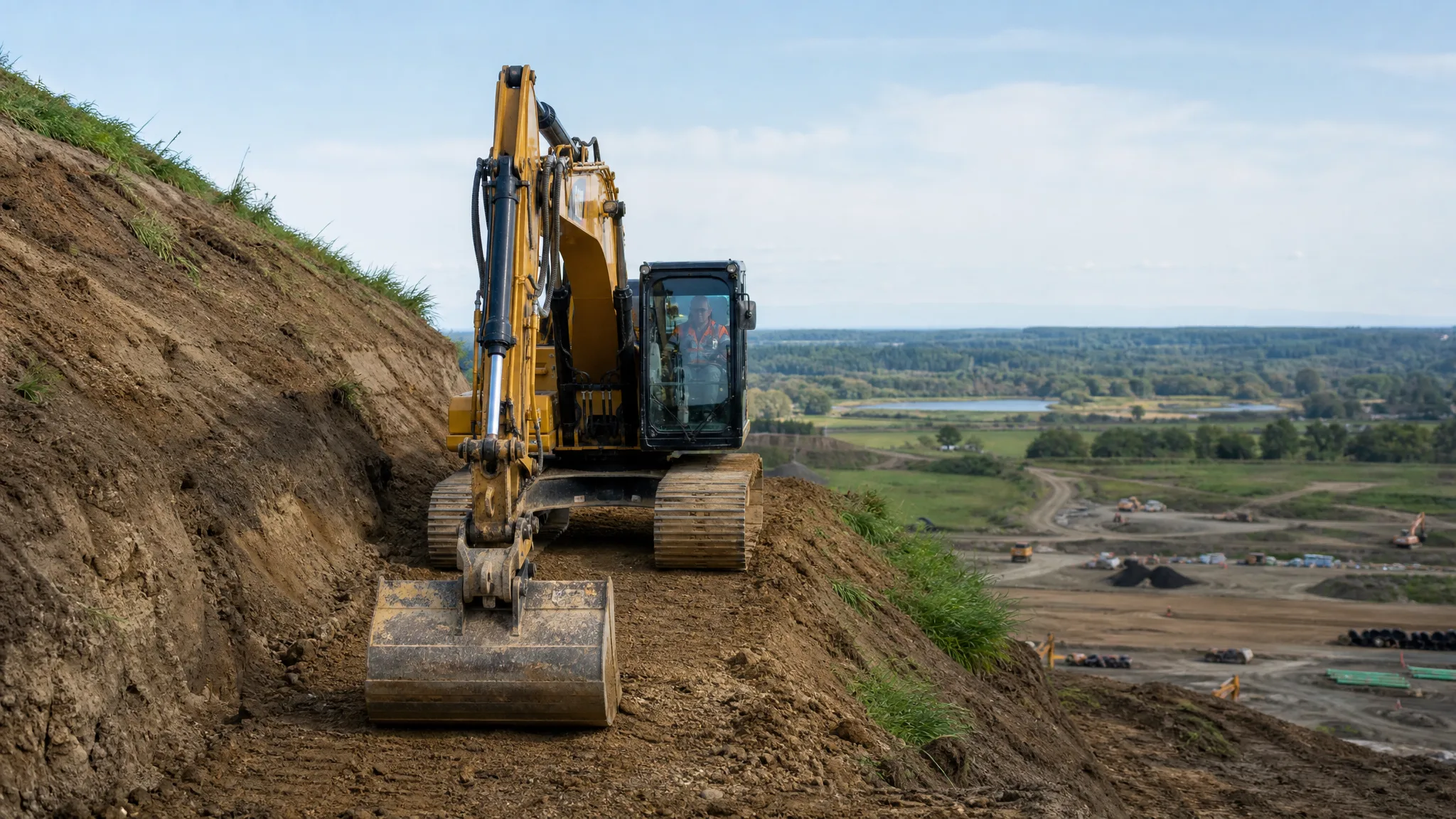
Flat, open, accessible land clears fast. Steep slopes, rocky ground, soft or wet soil, and tight access raise costs because they slow machines down, limit what equipment can be used, and sometimes require smaller or specialized iron. Remote parcels add mobilization fees just to get the equipment there. On the other end, suburban lots can cost more per acre than rural ones thanks to tight working room, noise and operating-hour restrictions, and the need to protect neighboring property.
Local rules affect both cost and schedule. Many jurisdictions require a clearing permit, typically $100 to $500, and some impose erosion-control plans, tree-replacement rules, or limits on what can be cleared at all. Before signing anything, confirm who pulls the permits and whether any protected vegetation or wetland restrictions apply to the property.
The Work After the Clearing
Clearing is rarely the finish line. If the land is headed for a building site, the next phase is grubbing, stripping and stockpiling the topsoil so it can be reused, and rough grading the pad — work that is usually bid separately and can rival the clearing cost on rough ground. Even land that is only being reclaimed for pasture or recreation usually needs a grading pass to knock down stump holes, level ruts, and establish drainage so the site sheds water instead of holding it.
Erosion control is part of that follow-up on any cleared slope. Bare soil moves, and once clearing strips the vegetation that was holding the ground, sediment has to be managed with temporary cover, diversions, or silt fencing until the new cover establishes. A contractor who clears without a plan for the bare soil has only done half the job — and a lot of the half-finished work that shows up in land grading problems starts with a clearing job that stopped too early.
How to Get an Accurate Quote
The path to a real number is simple: give three or four contractors the same scope and let them walk the property. Site visits matter more in clearing than in almost any other trade because density, terrain, and access cannot be judged from a photo. Have the property lines marked first if there is any doubt — boundary surprises are common on overgrown land — and know whether the goal is pasture, a pad, or just "cleaned up."
Ask each bidder to itemize clearing, stump removal, debris disposal, and any grading separately, and confirm what is included versus what is extra. That structure makes competing quotes comparable and protects you later, the same way detailed scopes protect construction budgets everywhere. Finally, verify insurance and ask how the crew handles weather delays — a clearing job bid in the dry season can stall for weeks when the ground turns to mud, and that is a schedule conversation worth having before you sign.