How Much Does Fill Dirt Cost?


Fill dirt is one of those materials that looks simple until you get three very different quotes for the same pile. The price per cubic yard can swing by a factor of five depending on what is actually in the truck, how far it has to travel, and whether you are buying one yard or a hundred. This guide breaks down what fill dirt costs, what drives the number, and how to estimate how much you need so you can budget with confidence.
What Fill Dirt Is (and What It Is Not)
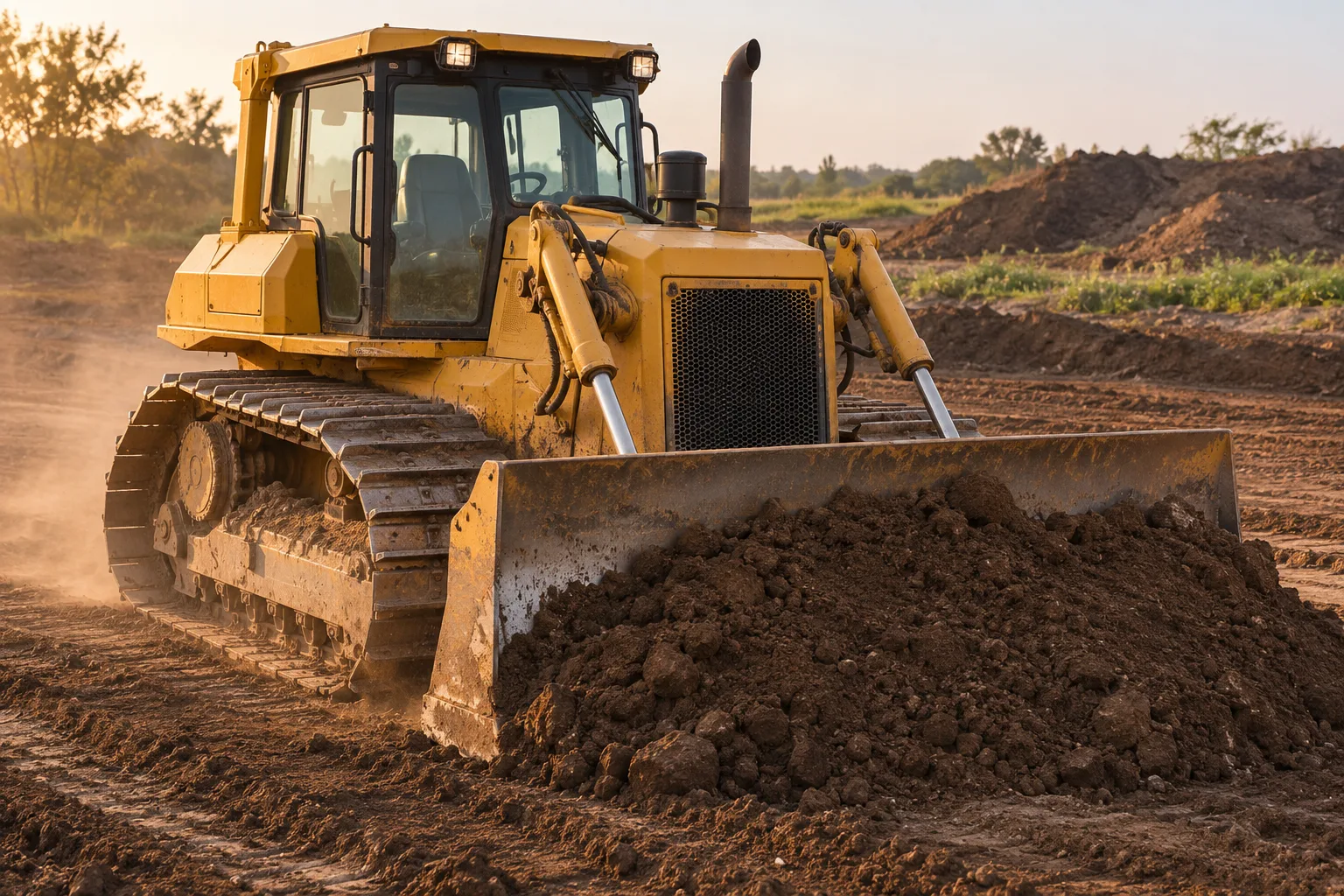
Fill dirt is soil used to raise the elevation of a site, fill depressions, or build a stable base for construction. It is typically a blend of sand, silt, and clay with little or no organic matter, which makes it suitable for structural and non-structural fill.
It is not topsoil. Topsoil is the organic-rich surface layer meant to grow plants, and it is a poor choice for filling a building pad because organic material decomposes and settles over time. If you need to grow a lawn, buy topsoil; if you need to raise grade or fill a hole, buy fill dirt. When a project calls for a cleaner, more predictable material, contractors step up to select fill rather than native soil.
Typical Fill Dirt Prices Per Cubic Yard
Published industry guides put fill dirt at roughly $5 to $30 per cubic yard delivered, with most simple, unscreened fill landing in the $8 to $20 range. Clean, screened fill that is free of rocks and debris tends to run $20 to $30 per cubic yard.
A full bulk delivery of 10 to 15 cubic yards commonly costs $150 to $600, and the per-yard price drops as the load size rises. Small orders of a yard or two carry the highest unit cost because you are paying for a minimum load and a trip.
These are quoted ranges, not fixed prices. Local supply, material quality, and haul distance move the number more than anything else, so always get two or three quotes for your specific site and date.
Fill Dirt vs. Topsoil Prices
Topsoil costs more than fill dirt because it is a screened, organic product that takes more processing. Typical topsoil prices run $12 to $55 per cubic yard, with most residential-quality material around $20 to $35.
The gap matters because homeowners often buy the wrong one. Ordering topsoil to fill a large low spot gets expensive fast, while ordering fill dirt for a garden bed or a lawn renovation will not support plant growth. If you are rebuilding a lawn after site work, the surface layer should come from stripped and stockpiled topsoil, not from a fill pit.
What Drives the Price of Fill Dirt
- Material quality. Unscreened "dirty" fill is cheapest; clean, screened fill and engineered select fill cost more.
- Quantity. Bulk loads lower the per-yard price; small orders carry a premium.
- Haul distance. Trucking is often the single biggest line item, so a pit 10 miles away beats one 40 miles away.
- Local supply. Areas with active aggregate pits and quarries have lower prices and shorter hauls.
- Season and demand. Peak construction season can tighten supply and push prices up.
- Access. A tight driveway or soft ground that needs a smaller truck or extra handling raises the bill.
Delivery Fees, Minimum Loads, and Haul Distance
Most suppliers quote material and delivery separately. A typical delivery surcharge runs $40 to $150 per load depending on mileage, and many have a minimum — often a full truck of 10 to 15 cubic yards — before they will come out at all.
Ask whether the quote is per yard or per load, and whether it includes the delivery fee and any fuel or access surcharge. A low per-yard price with a large minimum and a long haul can cost more than a slightly higher price from a closer pit. It helps to know how many yards a dump truck holds, because that number sets both the load size and the per-yard math.
"Free" Fill Dirt: What It Really Costs
Excavation and construction sites frequently give away spoil to anyone willing to haul it. Free fill can be a genuine bargain, but it comes with real risk: the material is often unscreened and may contain rocks, roots, trash, organic soil, or — on former industrial sites — contamination.
If you take free fill, inspect it before it is dumped, ask where it came from, and never place unknown material under a slab, driveway, or foundation without knowing what it is. The cost of removing bad fill is far higher than the cost of buying good fill in the first place.
How to Calculate How Much Fill Dirt You Need
Volume is simple math: length times width times depth, in feet, then divide by 27 to convert cubic feet to cubic yards. A cubic yard covers about 100 square feet at 3 inches deep, 80 square feet at 4 inches, or 54 square feet at 6 inches.
Add 10 to 15 percent for settling, because loose fill shrinks once it is spread and compacted. A 20 by 30 foot area filled 6 inches deep needs roughly 11 cubic yards before the contingency, or about 12 to 13 yards with waste. Loose and compacted volumes do not match, which is exactly why swell and shrink factors matter on larger fills.
For a rough weight check, a cubic yard of fill dirt weighs about 1.1 to 1.5 tons depending on moisture. For bigger or more complicated sites, work through the full volume and truckload calculation before you order.
Fill Dirt, Select Fill, and Structural Fill
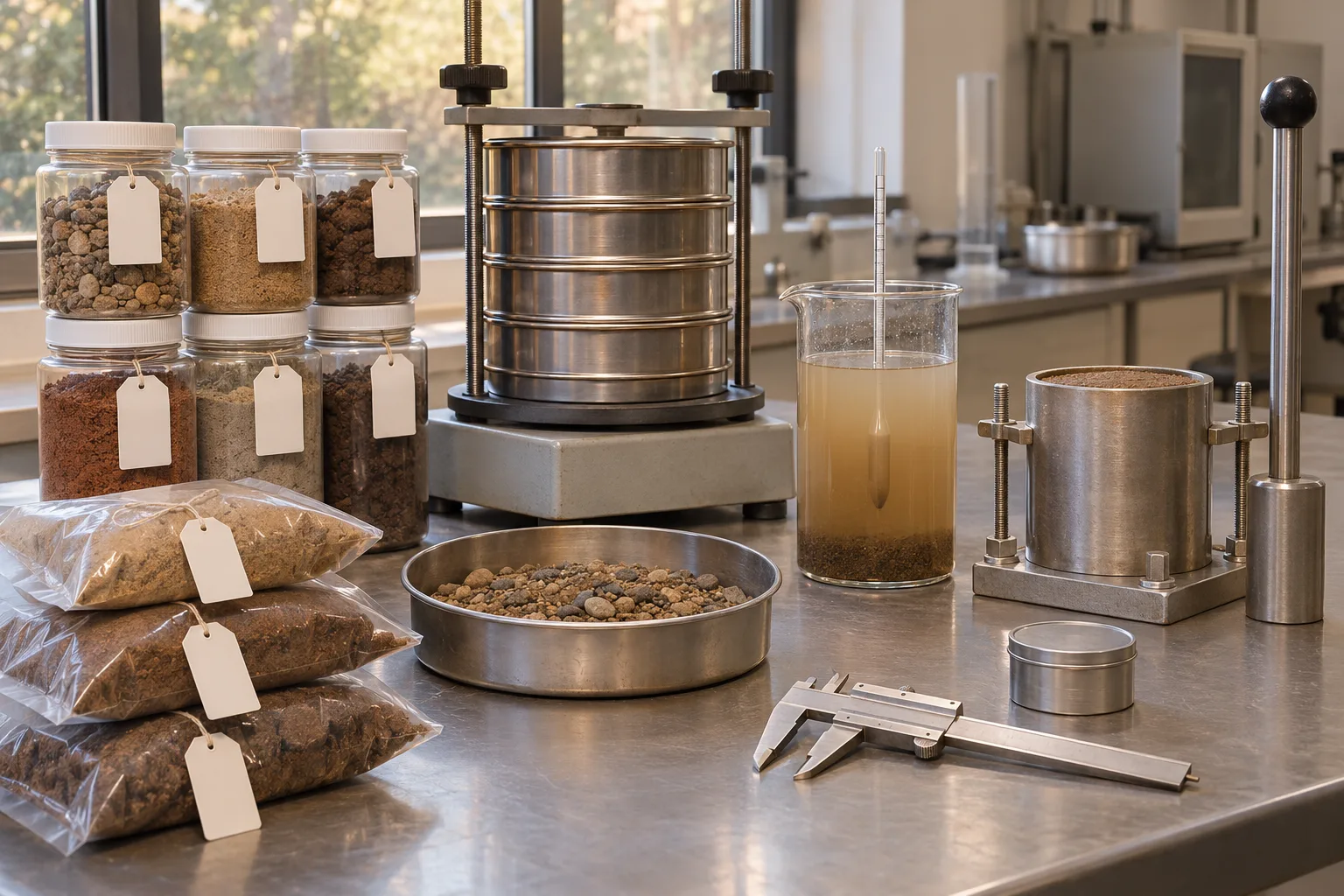
Fill dirt straight from a pit is a commodity material, but "select fill" and "structural fill" are engineered products with a specified gradation and compaction requirement. Select fill is cleaner, more uniform, and more predictable, which is why it costs more per yard.
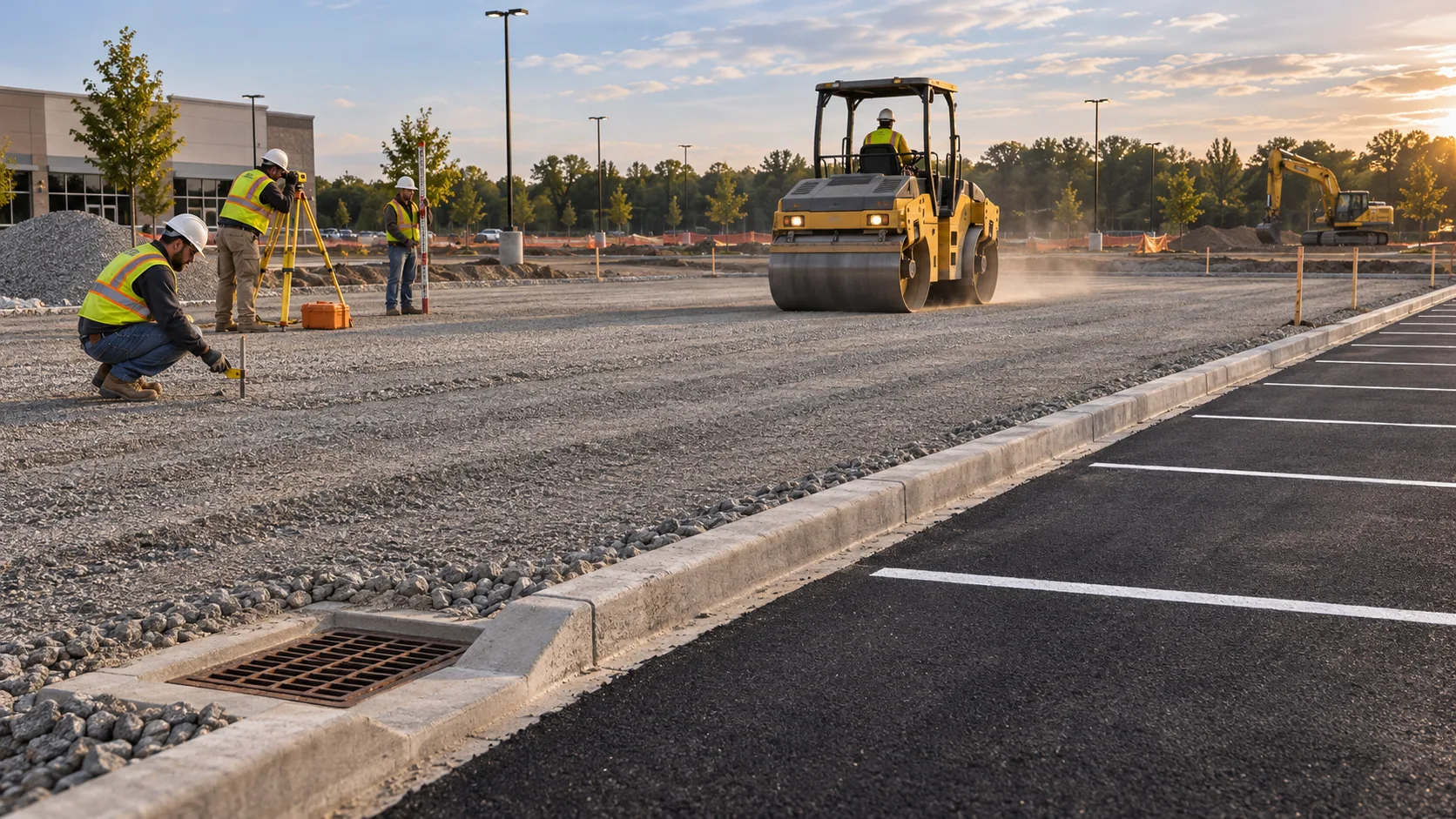
For a non-critical raise or rough fill, plain dirt may be fine. For a building pad, foundation backfill, or anything that carries structural loads, the project specifications — not the price list — decide which material you need. Some drives and base layers can even use recycled material such as crushed concrete instead of quarried stone.
Questions to Ask a Fill Dirt Supplier
- Is the fill screened, and where was it sourced?
- Does it contain organics, rocks, or construction debris?
- What is the minimum load, and is delivery included?
- How far is the pit, and what is the haul fee?
- Can the driver place the load where I need it?
- Is there a volume discount for multiple loads?
Common Mistakes That Raise the Bill
The first mistake is using topsoil as cheap fill or fill dirt as planting soil — two different products with two different jobs. The second is forgetting that loose yards shrink and settle when compacted, which leaves a job short of material and forces a second, pricier delivery.
Underestimating haul distance and delivery fees is the third. On small jobs, trucking can be half the cost, so a local supplier at a slightly higher per-yard price is often the cheaper choice. Finally, buying "free" fill without inspecting it can turn a bargain into a removal bill.
Placed and graded by a contractor, fill dirt is usually folded into a larger earthwork bid rather than priced alone. Understanding the material cost helps you sanity-check that bid; to see how the same material shows up inside a full number, read how contractors estimate an excavation job.