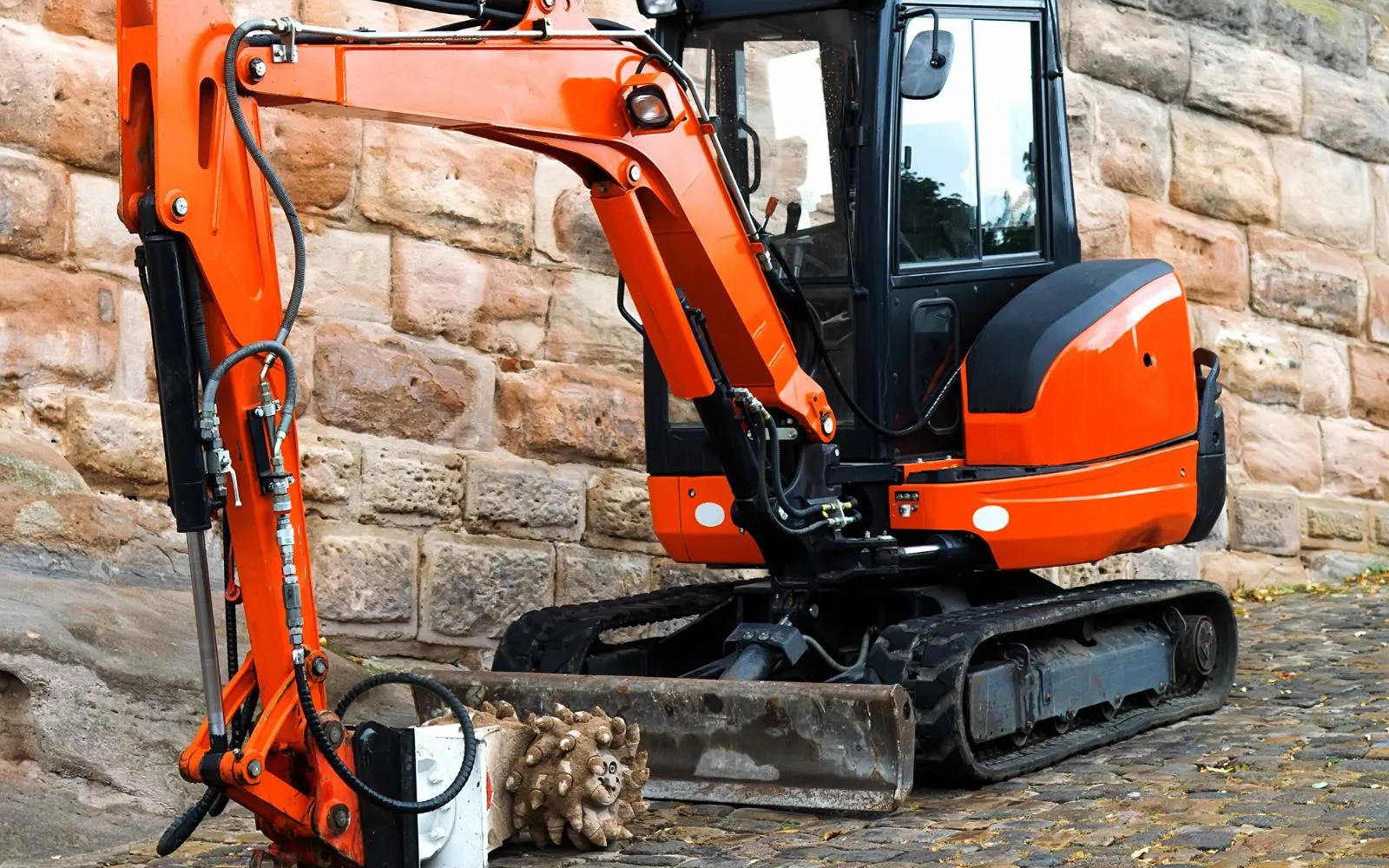
Dredging a Pond


Every pond is a sediment trap. Leaves, algae, eroded soil, and stormwater solids settle to the bottom year after year, and the depth that was dug at construction slowly disappears. Dredging is how you get that depth back, but on a real project it is less about running an excavator and more about permits, testing, and where the muck goes. This guide walks through the methods, the rules, and the math that decide whether a pond dredge is a two-week job or a six-month project.
Why Ponds Fill In
Sediment arrives from two directions. Inorganic material - silt and clay - washes in from the surrounding watershed every time it rains, especially where construction, farming, or bare ground sits uphill. Organic muck accumulates from the inside: dead algae, aquatic plants, leaves, and fish waste that decompose on the bottom.
The result is a pond that gets shallower, warmer, and lower in oxygen. Once muck passes a few feet deep, the pond loses its usable depth, sunlight reaches less water, and organic decomposition consumes oxygen that fish need. Stormwater ponds are commonly renovated on a 15 to 20 year cycle for exactly this reason. Good design plans for it: a properly built stormwater detention pond includes a forebay and maintenance access so accumulated sediment can eventually be removed.
Is Dredging the Right Answer?
Dredging is expensive and disruptive, so it should be the last option, not the first. The decision starts with measurement, not assumption. Push a probe or coring tube into the pond bottom and find out how deep the soft layer actually is.
- Under about 2 feet, mostly organic: nutrient control, aeration, and biological muck treatments are often enough, and they cost a fraction of dredging.
- 3 to 4 feet or deeper, or mostly inorganic silt and clay: biological treatment will not remove mineral sediment. Dredging is the only real fix.
- Contaminated sediment, recurring fish kills, or a swimming or irrigation pond where depth matters: dredging is likely necessary, and testing will drive the disposal plan.
It also pays to fix the source. If erosion from the watershed keeps dumping solids into the pond, a dredge just resets a clock that will run down again. Stabilize inflow areas, keep a vegetated buffer, and control nutrients before the machine shows up.
The Three Ways to Remove Pond Sediment
Almost every dredging project falls into one of three methods, and each has a distinct role.
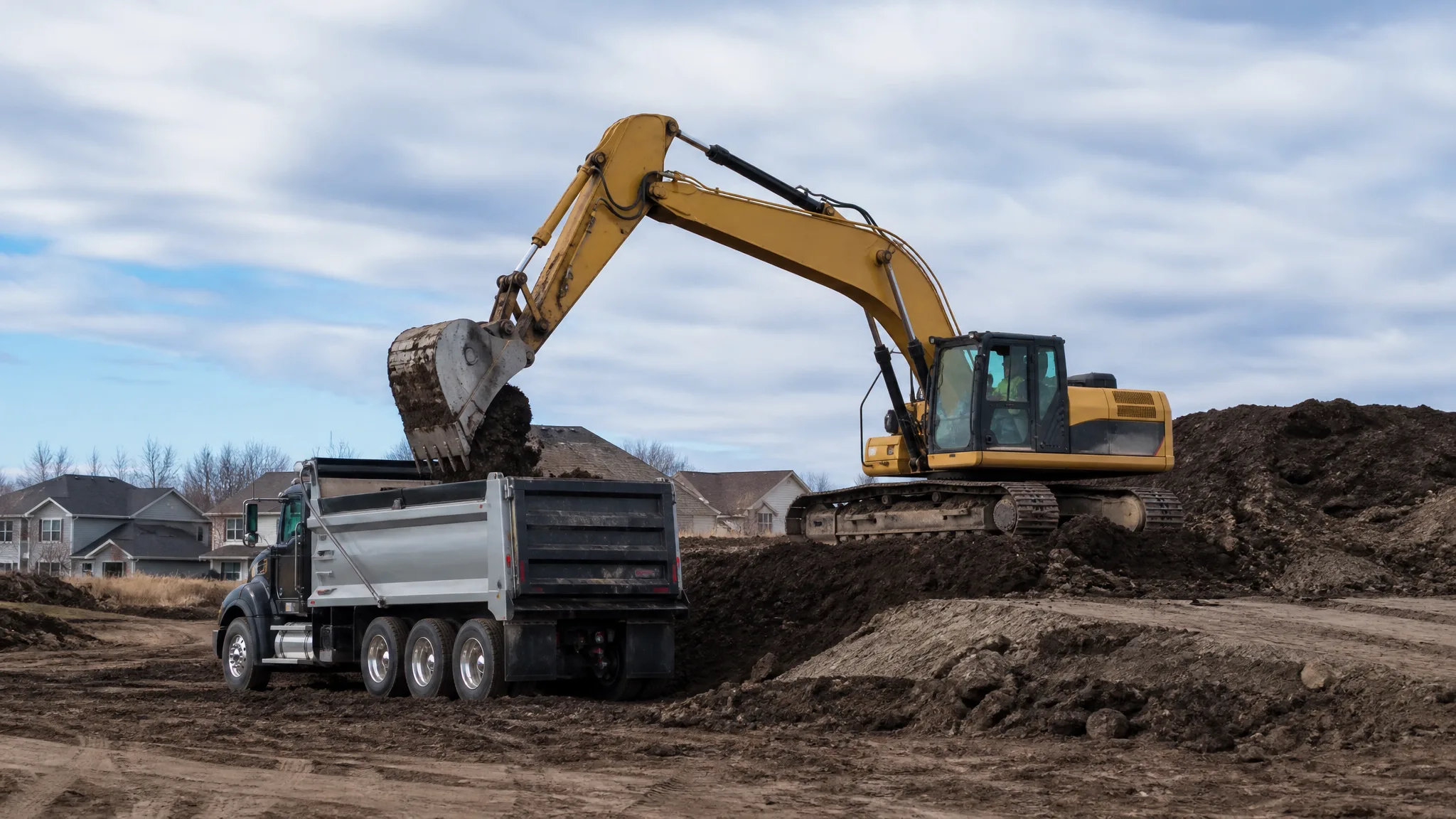
- Mechanical dredging: a long-reach excavator, dragline, or clamshell bucket physically scoops sediment from the bank or from a barge and loads it into trucks or a stockpile. It is fast, visible, selective, and works well on consolidated or clay-heavy sediment. It also disturbs banks and shorelines, and needs room for equipment and spoil. Reach is the hard limit on this method, and it is the same calculation you work through when deciding what size excavator you need to dig a pond.
- Hydraulic dredging: a floating cutterhead suction dredge pumps a sediment slurry through a pipeline to an upland dewatering area, often geotextile tubes or a settling basin. It disturbs the bank very little and works in deeper water, but it needs specialized equipment, pipeline access, and a place to dewater the slurry.
- Drawdown (dry) dredging: lower the water level, let the exposed sediment dry and consolidate, then excavate it with conventional equipment. It gives full visibility and precise removal, and it is usually the cheapest per cubic yard. The trade-off is time and the impact on aquatic life.
Drawdown Dredging: The Most Common Route for Small Ponds
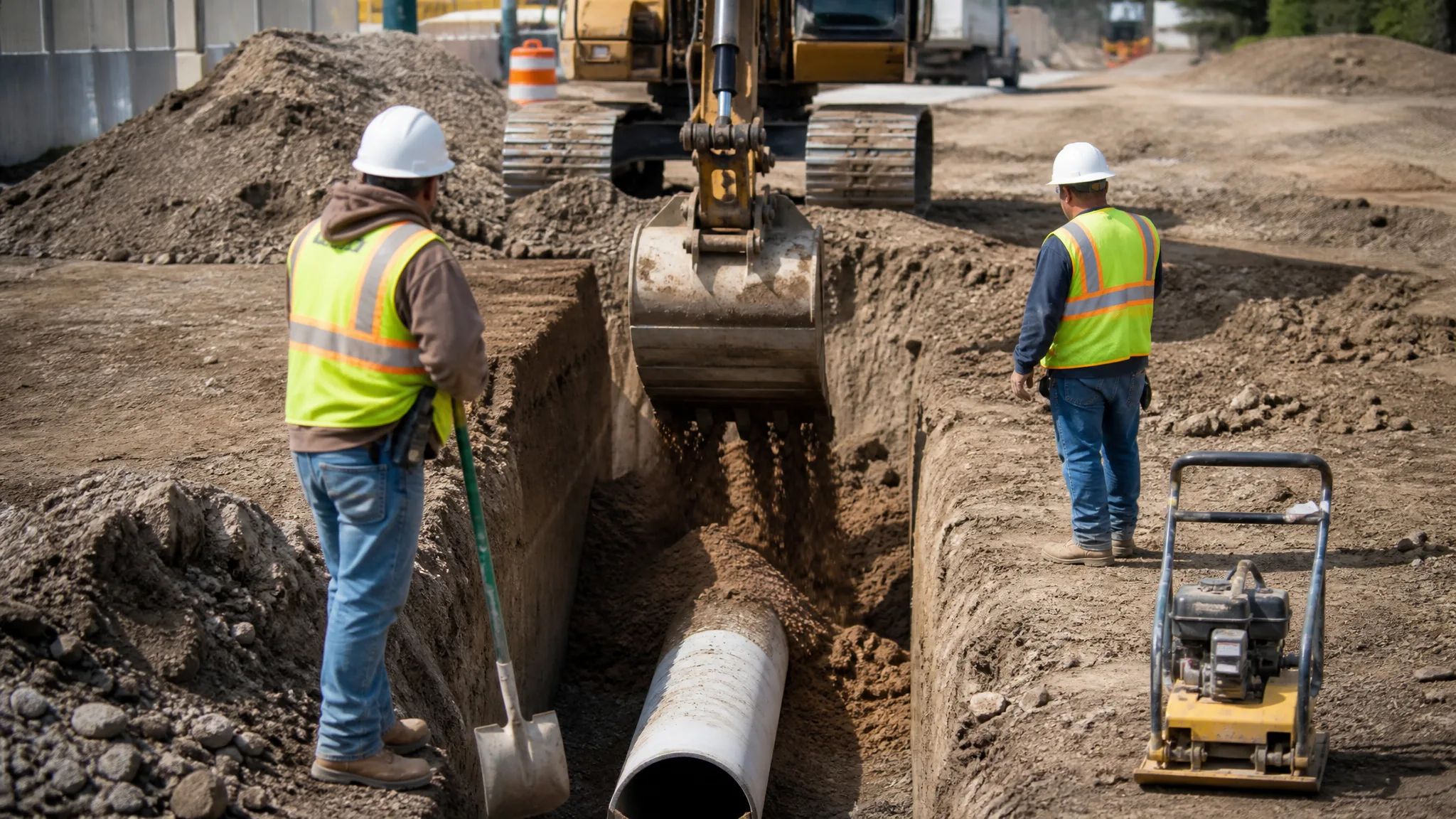
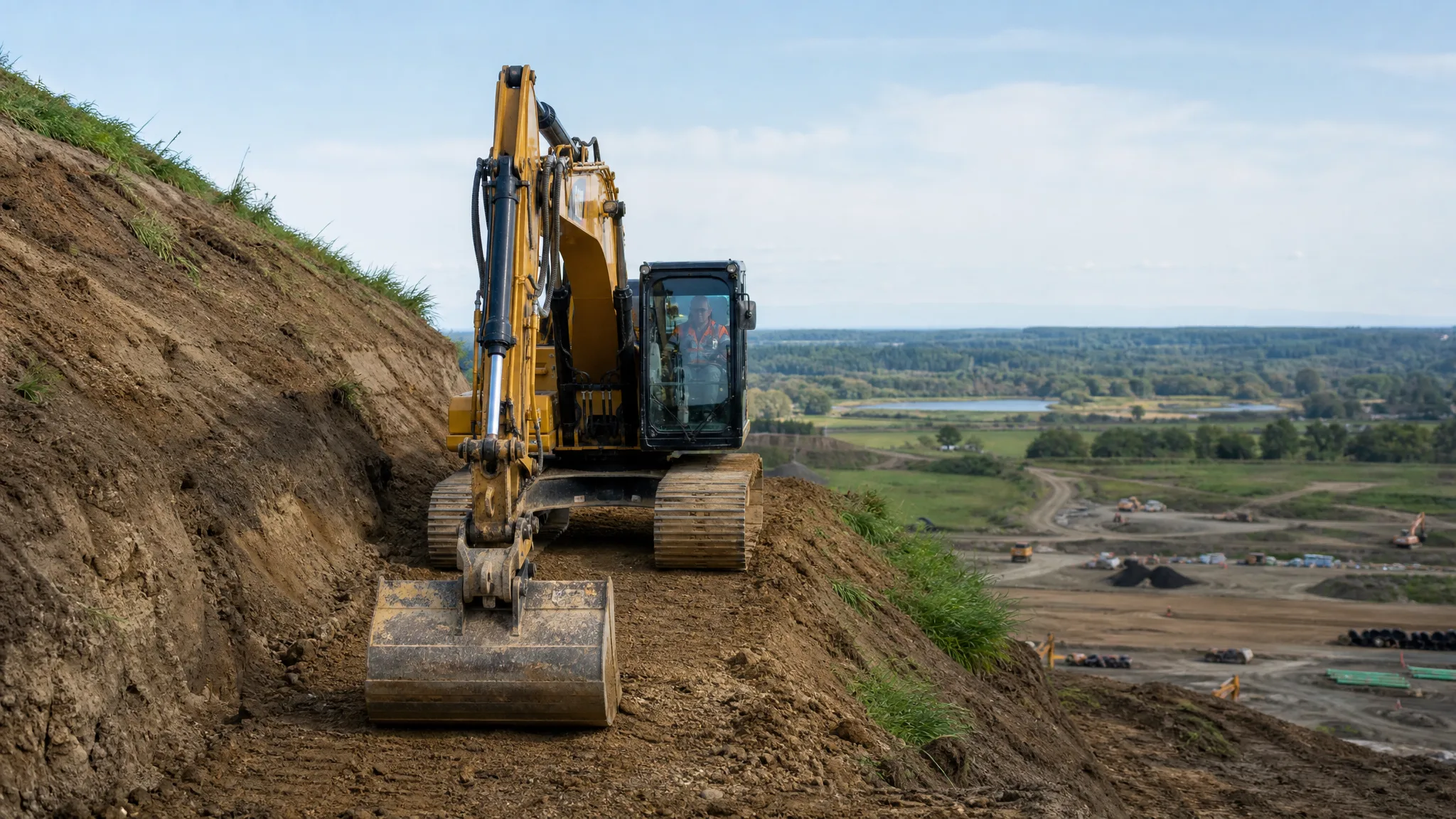
For residential and farm ponds with reasonable access, drawdown is usually the practical choice. Stop or divert inflow, pump the pond down, and let the sediment dewater for a few weeks until it can carry equipment. Then work from the bank with a long-reach excavator, or from a stable pad if the bottom will support the machine.
Two cautions matter here. First, moving water has to go somewhere legal. Silt-laden discharge cannot be pumped into a storm sewer, creek, or ditch without checking the rules, and pumping around an excavation is its own discipline. Second, if the pond holds fish, a full drain in summer can kill them. A partial drawdown that leaves a refuge pool, plus timing outside spawning season, is usually the better plan.
Where you send the water is a real engineering decision too. Moving water around a site is its own discipline, and the same principles behind dewatering an excavation apply here: control the flow, settle the solids, and never discharge silt-laden water straight into a creek or storm sewer.
Measuring the Volume Before You Bid
Dredging is priced by volume, so volume has to be measured, not guessed. On a drained pond, survey the bottom on a grid, measure the muck thickness at each point, and multiply average thickness by area, the same soil volume math you would use on any earthwork takeoff. On a full pond, a bathymetric survey does the same job from the surface.
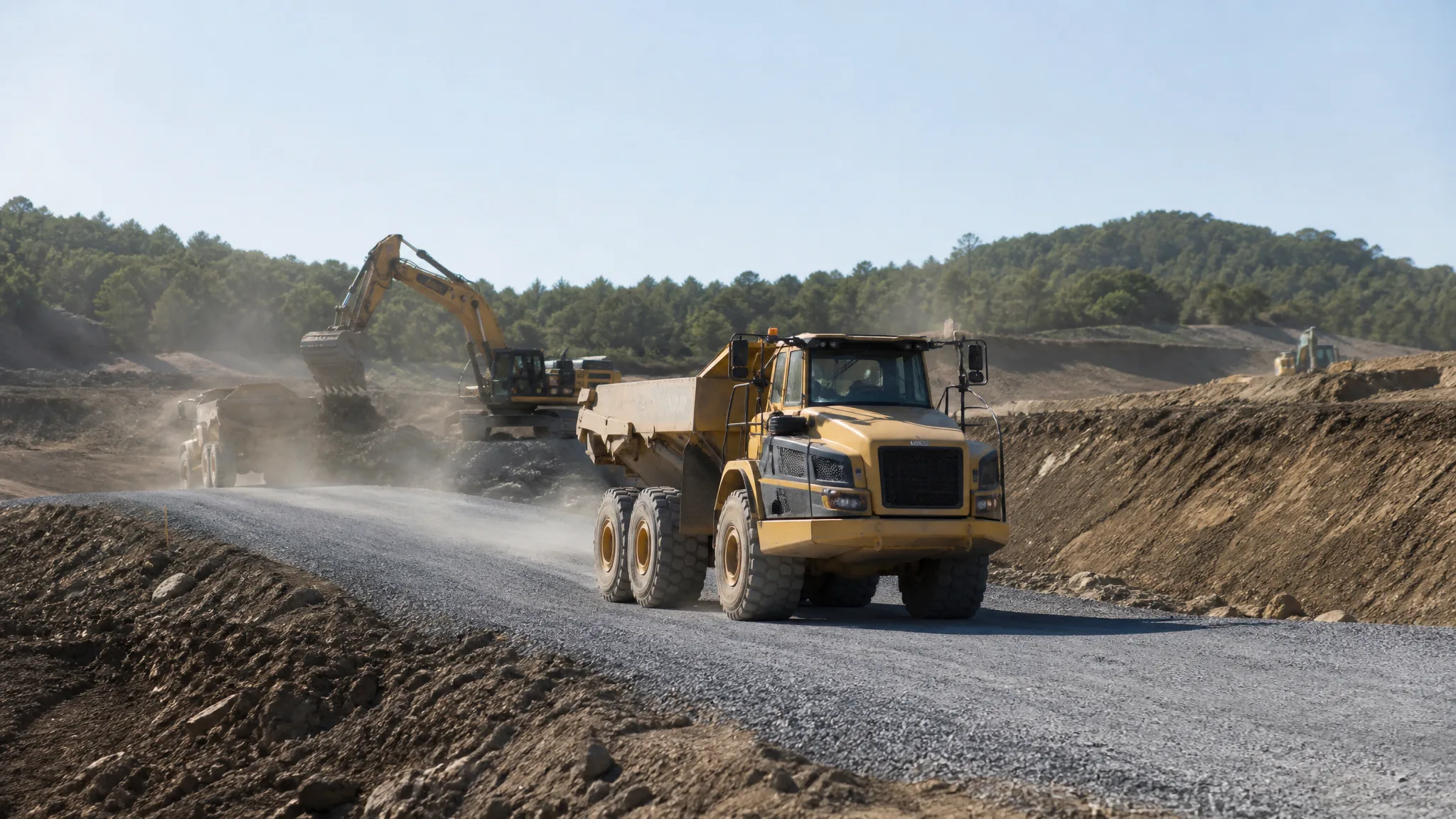
Then account for water. Fresh muck is largely water by volume, and it shrinks dramatically once it drains and consolidates. As a published industry example, a quarter-acre pond with two feet of average muck holds roughly 180 cubic yards of sediment - a manageable number, but one that grows quickly with pond size. That volume also has to fit into trucks if it leaves the site, and heavy wet spoil is easy to overload a truck with. Wet sediment weighs far more than the dry yardage it represents, so check how much a yard of dirt weighs and match it against what a dump truck can legally hold before you set a haul count.
Permits and Regulatory Requirements
This is where pond projects most often stall. Section 404 of the Clean Water Act regulates the discharge of dredged or fill material into waters of the United States, including wetlands. Dredging itself may or may not trigger a permit depending on whether material is discharged into regulated water and whether the pond is jurisdictional.
There is real relief for agricultural ponds. Under 33 CFR 323.4, construction and maintenance of farm or stock ponds is a listed activity that does not require a Section 404 permit, and maintenance of currently serviceable structures such as dams, dikes, and levees is also exempt. EPA's summary points out the same two categories. The exceptions matter, though: a discharge containing a toxic pollutant still requires a permit, and an activity whose purpose is to convert a water of the United States to a new use is not exempt when it reduces reach or impairs flow.
In practice that means a farm pond that has always been a farm pond may need only local approvals, while a pond that drains to a creek or wetland, or where spoil is placed back into water, can require authorization from the local Army Corps district office. Add state water quality certification and any state dredging or sediment permits, plus county or municipal grading and wetland review. Dredging permits can take two to six months, so start early.
Sediment Testing and Disposal
Dredged material is the other half of the project. Before you plan disposal, test the sediment, especially if the pond collects urban stormwater or sits near former industrial land. Typical panels screen for heavy metals, PCBs, and other persistent pollutants; nutrient content is useful too.
If the sediment tests clean, on-site upland spreading is the cheapest option: stockpile it, let it drain, then spread or incorporate it like stockpiled topsoil, or use it as fill. Erosion control around the stockpile is mandatory - a spoil pile on a slope without silt fence will send the whole pond right back into the nearest waterway, which is the same reason spoil pile management is a planned part of any earthwork job. If sediment is contaminated above regulatory thresholds, it must go to a licensed facility, which is where costs climb fast.
Timing and Environmental Protection
Late summer and early fall are the standard window. Water levels are naturally low, working conditions are stable, and the work avoids spring fish spawning and waterfowl nesting. In-water work windows are often written directly into permits to protect sensitive species.
Winter is usually the wrong season: frozen banks are unstable, frozen sediment cannot be compacted or shaped, and permit conditions often prohibit it. If you do end up working cold, the same rules that govern any cold weather earthwork apply, including the prohibition on placing frozen material in fill.
What Pond Dredging Costs
Published industry ranges put sediment removal at roughly $3 to $8 per cubic yard for mechanical methods, $5 to $10 per cubic yard for hydraulic, and $2 to $5 per cubic yard for dry drawdown excavation. Disposal is the wild card: on-site land application commonly runs $5 to $15 per cubic yard, while off-site disposal with tipping fees can run $20 to $60 per cubic yard. Sediment testing and analysis typically adds $1,000 to $5,000, and permitting and environmental review can add $2,000 to $10,000.
Put together, a small ornamental pond might land in the low thousands, while a half-acre residential pond with a few feet of muck and off-site disposal can reach $30,000 or more. The variables are volume, haul distance, access, and whether the sediment is clean. Post-dredge sealing is sometimes needed too: if the new bottom is sandy or gravelly, bentonite or a liner may be required to hold water.
Doing It Right
A successful pond dredge is a sequence, not a single operation. Measure the sediment. Test it. Talk to the Corps district and your state agency before you commit to a method. Plan where the spoil will sit, how it will drain, and how it will leave. Then excavate to the design depth, restore the banks, and stabilize the disturbed ground before the next rain - the same sequencing a stormwater pollution prevention plan requires on any permitted earthwork site.
If you are comparing methods, look at the numbers as a whole - removal cost plus disposal plus drying time plus regulatory risk - rather than the excavation rate alone. The cheapest bucket per yard is meaningless if the permit takes four months or the spoil has nowhere legal to go.
Done correctly, a dredge restores decades of lost depth in a few weeks and gives a pond a clean start. Done casually, it turns into a paperwork problem with a sediment pile attached.