Cold Weather Earthwork

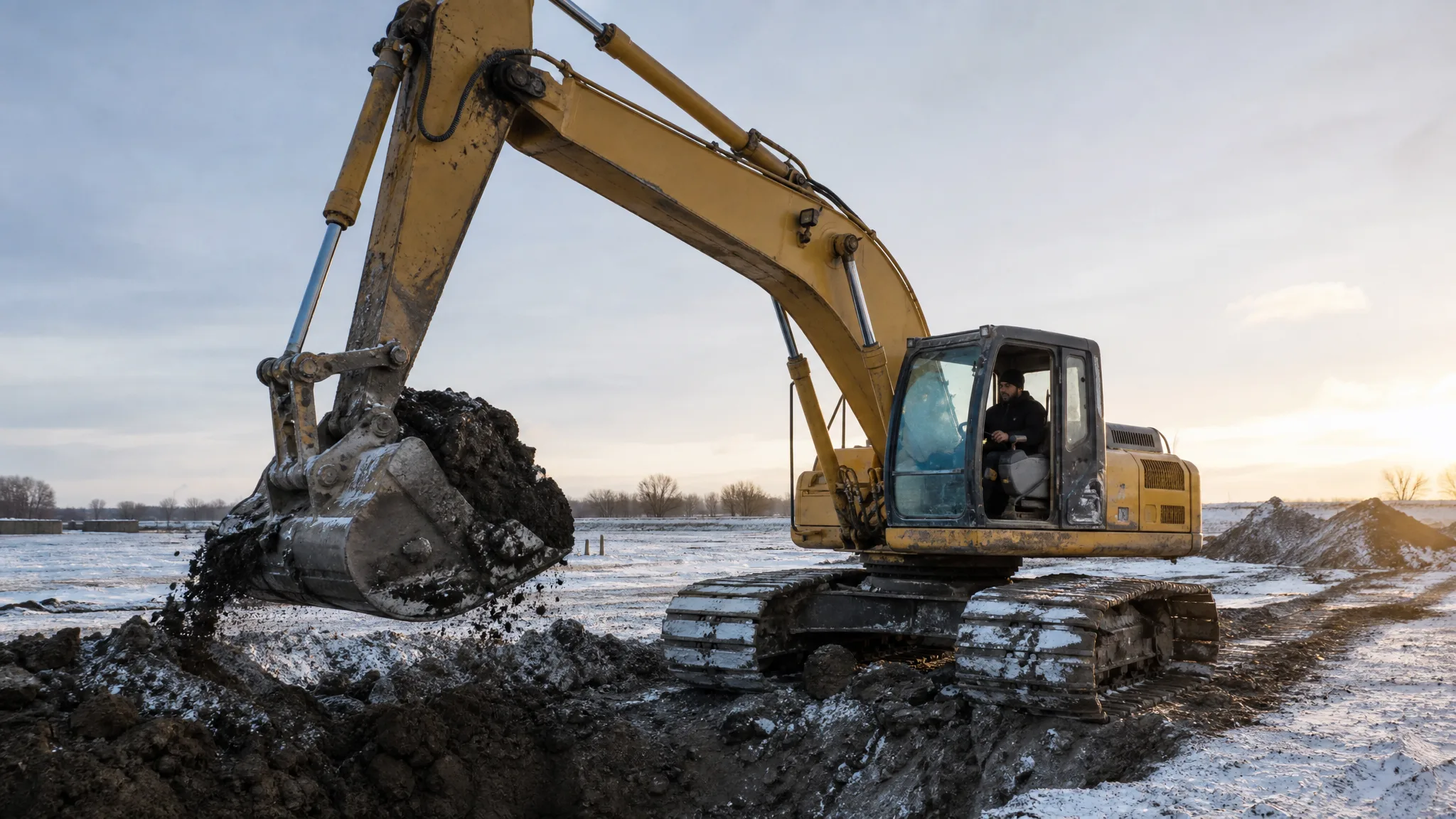
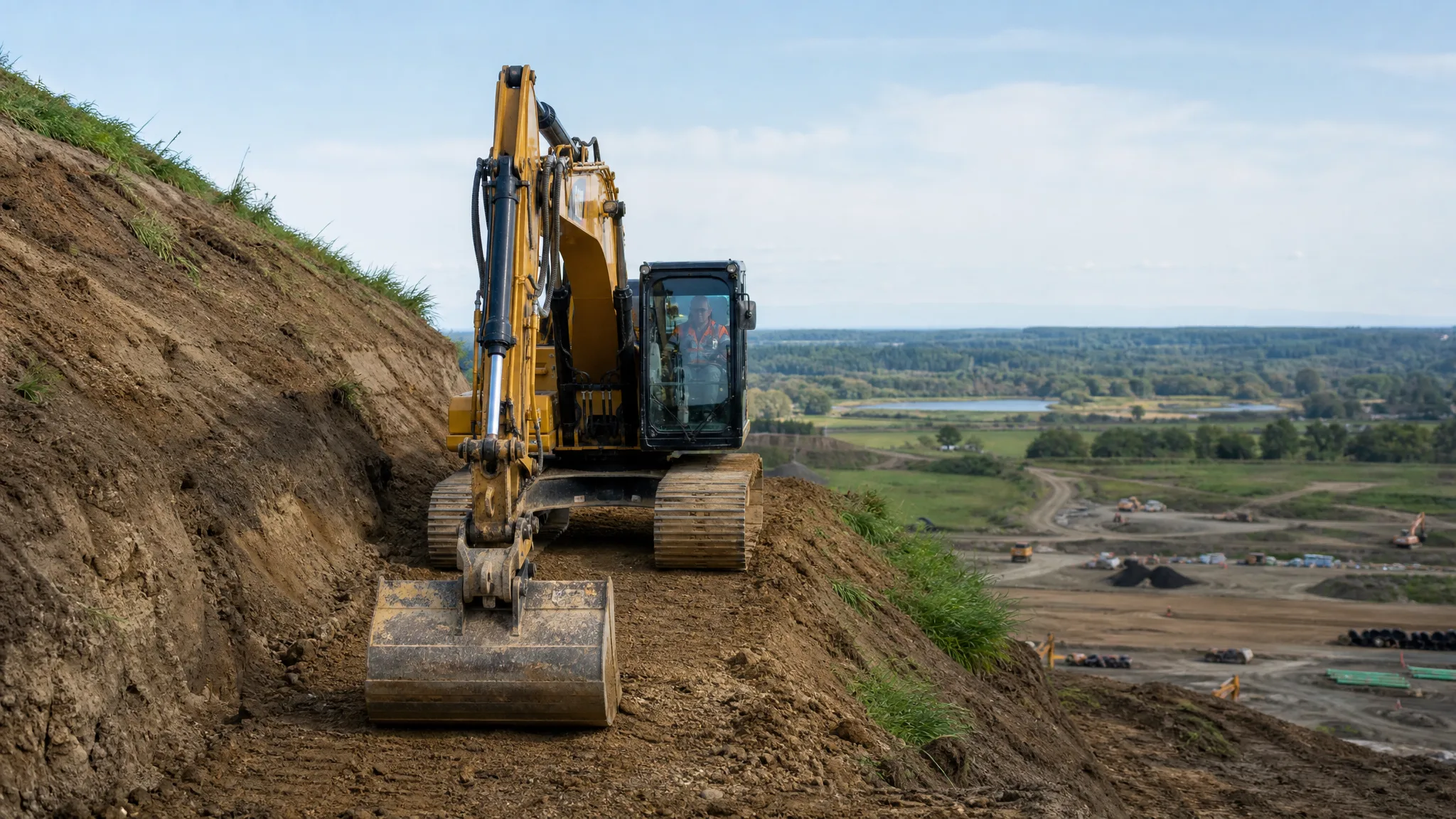
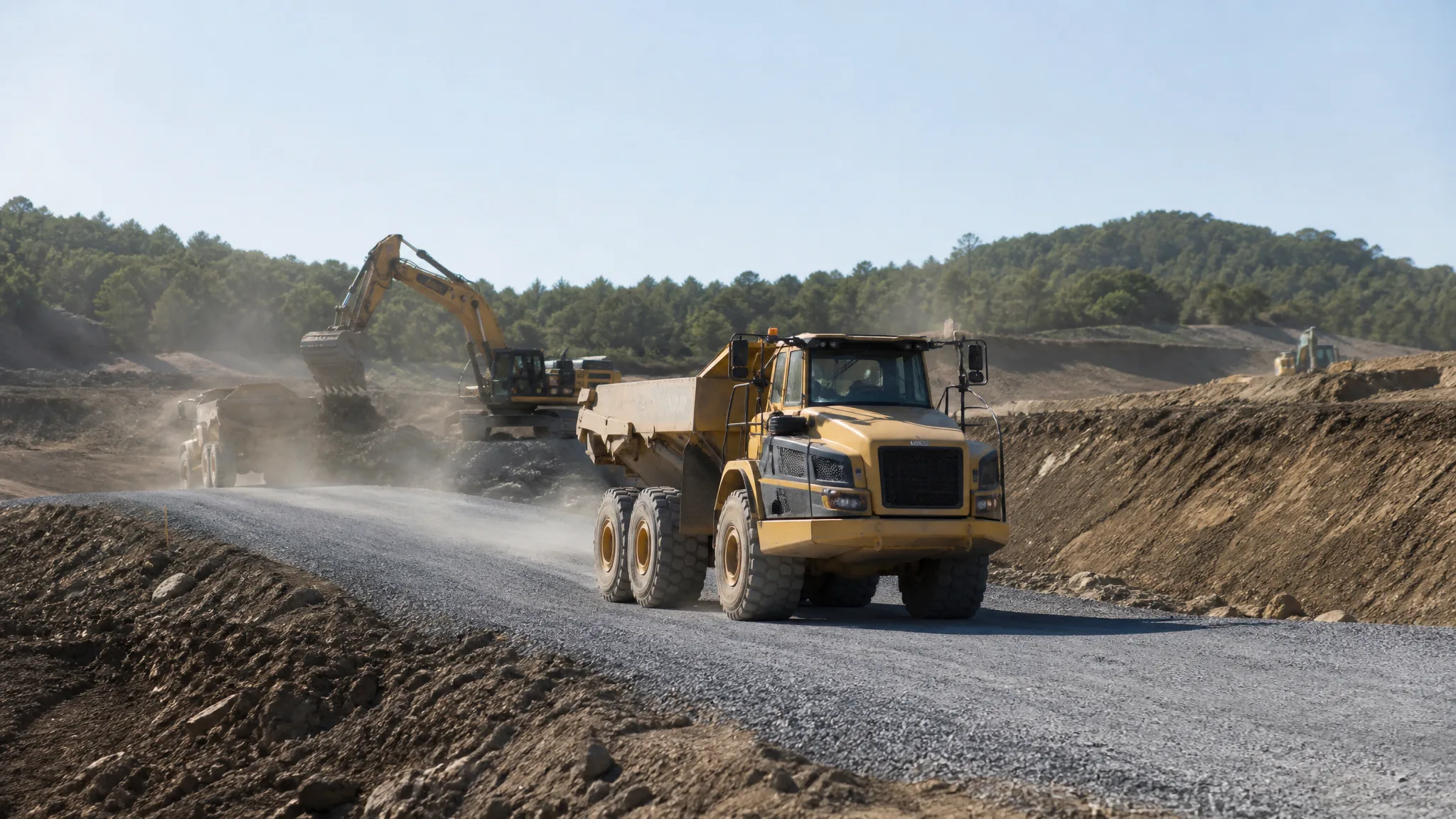
Winter does not shut earthwork down. It changes the rules. Frozen ground is a different material than the soil that was tested in October, compaction stops behaving the way the specification assumes, and every open cut carries a failure mode that does not exist in June. Crews that treat cold weather as an exception end up redoing work in the spring. Crews that plan for it keep moving dirt and get paid for the difference.
Why Freezing Changes Soil Behavior
Compaction works because water films on soil particles act as a lubricant, letting particles slide past each other into a denser arrangement. Freezing removes that lubricant. The water becomes ice, and ice both blocks particle movement and bonds grains together, which is why frozen ground can behave like weak concrete under a bucket. Research on low-temperature compaction has long shown that as soil temperature drops, water viscosity increases and densification gets harder long before the soil is actually frozen.
The second mechanism is heave. Water expands as it freezes, and in frost-susceptible soils capillary action pulls water up toward the freezing front, where it forms ice lenses that lift everything above them. Soils with a high silt fraction are the worst offenders. Michigan DOT guidance treats material with more than 50 percent silt by weight and a low plasticity index as frost susceptible, while clean gravels and sands drain freely and resist ice lens formation.
Put those two effects together and you get the central rule of winter earthwork: frozen material is not fill, and frozen ground is not a subgrade.
Frost Depth: The Number Every Winter Job Starts With
Frost depth is how far below the surface ground temperatures stay below freezing. It varies dramatically by region and by winter — in the northern tier of states it commonly reaches 48 to 60 inches, while mid-Atlantic depths of 18 to 30 inches are typical. The National Resource Conservation Service's Web Soil Survey provides county-level data on soil texture, drainage class, and freeze-thaw behavior, and it is worth a look before pricing a winter job.
Frost depth drives three practical decisions. It sets how deep utilities must be buried so they do not heave. It predicts how much equipment you need to break the crust. And it determines how much material has to be stripped before fill can be placed at all. Michigan DOT's construction guidance is explicit: more than four inches of frost requires stripping, and frost is stripped prior to embankment construction regardless of fill height.
Breaking Frozen Ground
Ripping first and digging second is the standard approach for deep frost. A dozer or large excavator with a single-shank ripper fractures the frozen layer so the excavator is loading broken material instead of trying to shear a slab. For shallower frost, sharp teeth and a heavy machine can break through directly, especially in granular soils.
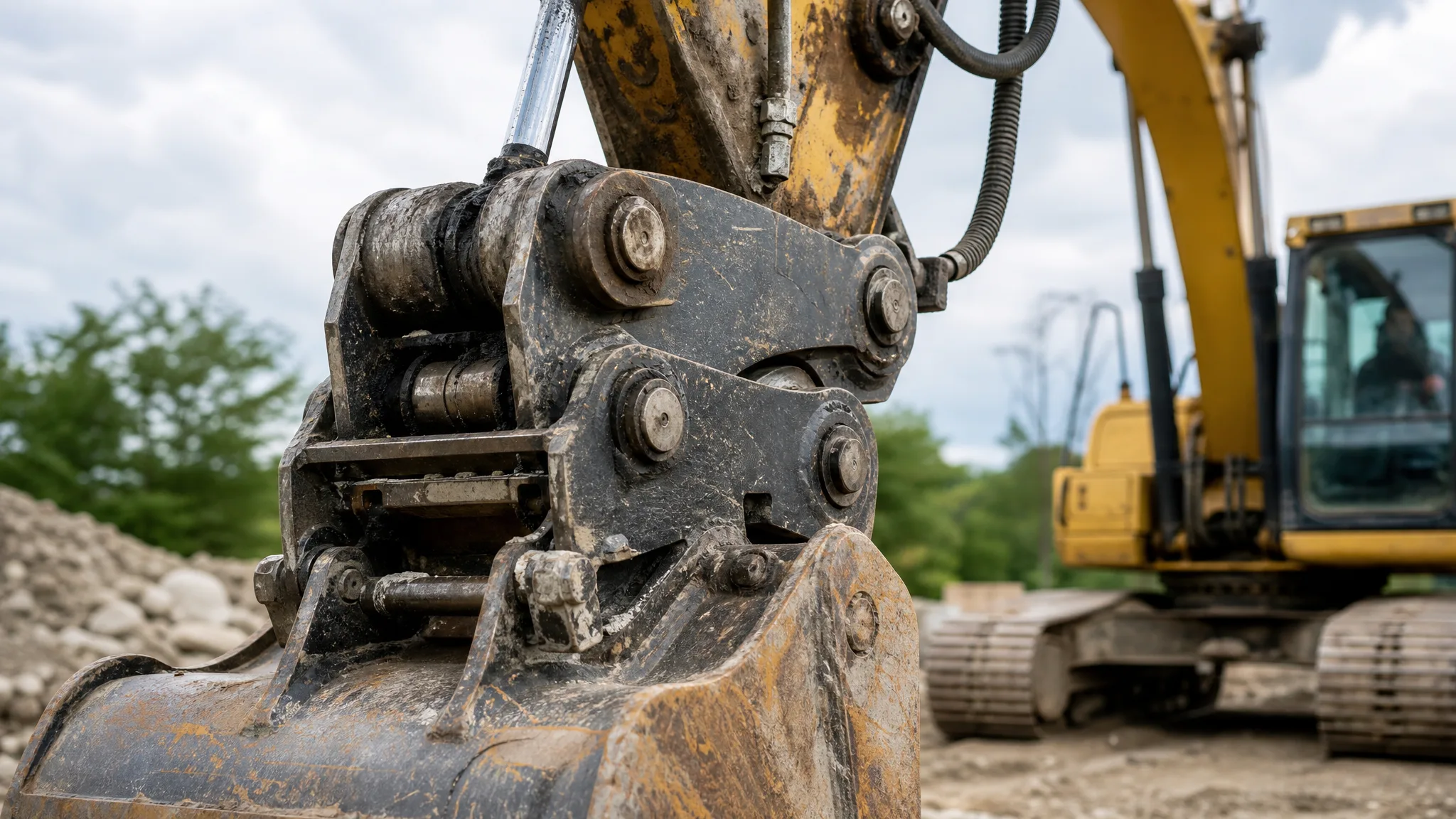
Attachment choice matters more in winter than in any other season. Frost buckets with narrow tips and sharp tines puncture and pry far better than a standard digging bucket. Hydraulic hammers break frozen layers and rock, but they should be used to break, not to pry, because prying with the tool bit damages the chisel point. Hydraulic rippers vibrate as they work, which reduces stress on the carrier compared with a static ripper.
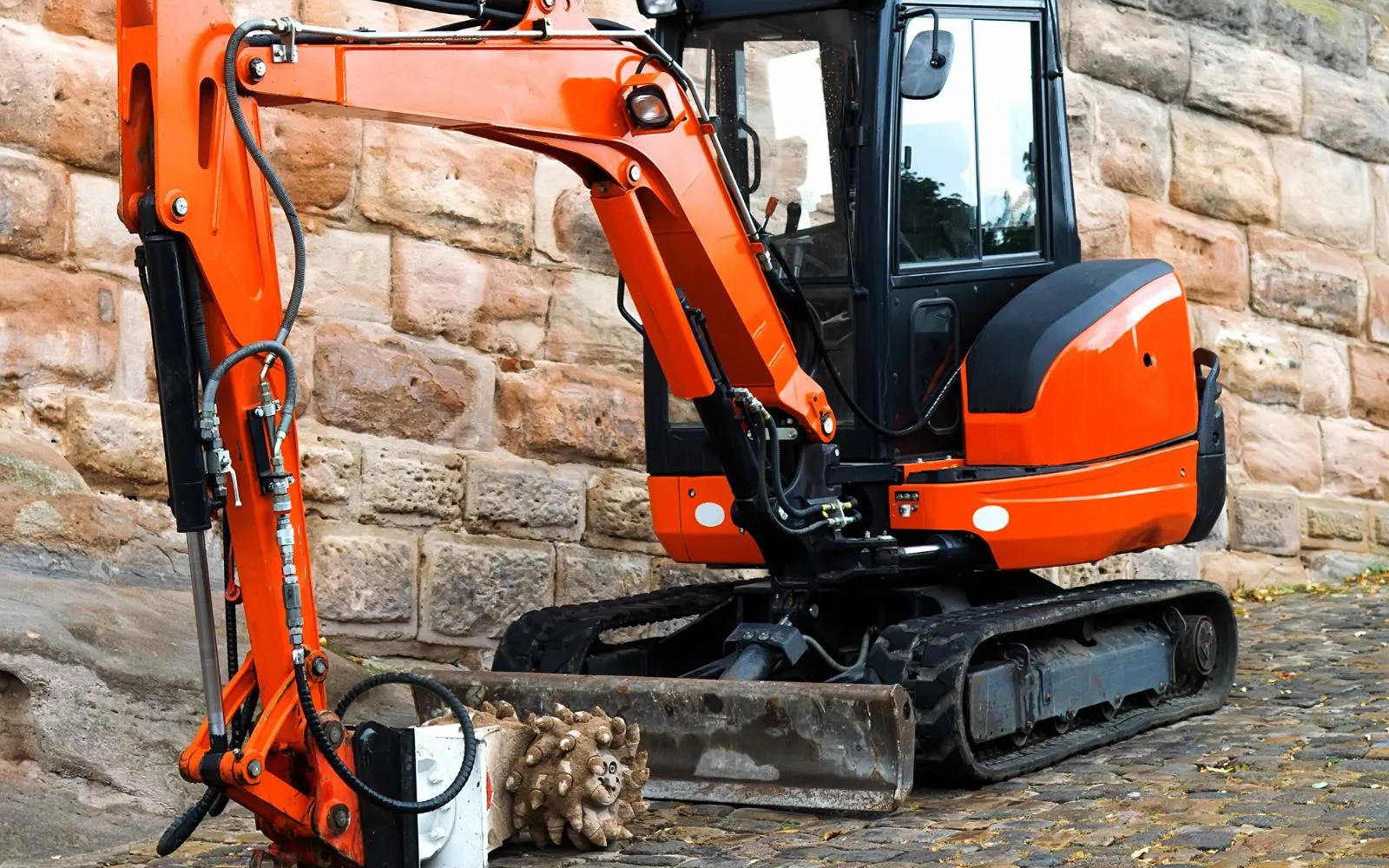
Smaller machines have real limits. Dealer guidance puts the working ceiling for a mini excavator at roughly 10 inches of frost; beyond that you need a larger carrier or a different method. Thawing is the alternative: heated tents and portable heaters, ground-thawing blankets, steam, or insulating the ground with straw or foam before the freeze sets in. Thaw slowly — soil that is heated aggressively turns into loose, unstable ground that may need bracing to work in safely.
You Cannot Compact Frozen Fill
This is where winter earthwork stops being a productivity question and becomes a contract question. Agency specifications across the country say the same thing in slightly different words.
- NRCS Construction Specification 423 (Earthfill and Gravel Fill): "Fill materials shall contain no frozen soil, sod, brush, roots, or other perishable material."
- Colorado DOT standard specifications: "Frozen materials shall not be used in construction of embankments."
- Pennsylvania DOT Section 206: "Do not place or compact frozen material."
- Michigan DOT: once embankment is started, no frozen material will be placed, and if work stops, frost must be removed before restarting.
The reason is simple and unforgiving. Frozen clods resist densification, so the lift fails to reach the required percentage of maximum dry density. Then it thaws, consolidates, and drops. Low spots appear, water ponds, slabs crack, and pavement settles. That is the same failure chain described in what makes a building pad fail, with freezing as the trigger.
Temperature Limits and Density Testing in the Cold
Many municipal and DOT specifications tie placement to air or material temperature. A common formulation prohibits depositing fill when the temperature has not exceeded 35 degrees Fahrenheit and is rising by mid-morning, and most specifications restrict compacting fill when the material itself is near or below freezing. Below that point, ice in the soil produces false density readings and fills that will let go at thaw.
Testing has its own cold-weather problem. A nuclear density gauge measures density through the material, and ice does not have the same density signature as liquid water, so readings taken in frozen fill can be misleading. Many specifications require test results to be flagged when material temperatures drop below roughly 40 degrees Fahrenheit. Discuss the cold-weather testing protocol with the project engineer or inspector before the first test, not after a failing result becomes a dispute.
Concrete work has a parallel set of rules. ACI 306 defines cold weather as a period of more than three consecutive days when the average daily air temperature is below 40 degrees Fahrenheit, and it requires that the subgrade be thawed and free of frost before placement — concrete placed on frozen ground loses heat downward, freezes from the bottom, and settles when the subgrade thaws. The same logic applies to any masonry or slab work layered on top of your finished grades. See how to prepare a site for a concrete slab for the subgrade side of that sequence.
Protecting Subgrade and Finished Lifts
Two habits separate successful winter crews from the rest. The first is covering subgrade that is not going to be worked that day. Insulating blankets, straw, or foam board preserve workable ground and prevent the exposure that can undo a day of fine grading. The second is clearing the surface before each lift. New York DOT winter earthwork requirements require a plan that removes all snow, ice, and frozen material from the surface where embankment or backfill is placed. Placing fill on top of a frozen crust is the same as placing it on a future void.
If a completed lift freezes before the next one goes down, treat it as suspect. Freeze-thaw cycles disrupt the particle matrix that compaction created, and a lift that passed a test in mild weather can fail after a hard freeze. For structural fills under slabs or pavement, many specifications require density testing on material that has not been frozen since placement.
Sequencing That Keeps Winter Work Productive
Winter sequencing is about limiting exposure. Excavate smaller sections so less subgrade is open at once. Backfill trenches the same day they are dug — a utility trench with frozen walls and a frozen bottom cannot be compacted properly afterward, and the mechanics are covered in excavating for water and sewer lines. On large pads, work from the inside out and leave the perimeter cut for last, so interior ground holds geothermal warmth longer.
Schedule the compaction work for the warmest part of the day, and cover it as soon as it is tested. Where a specification absolutely requires density in cold conditions, the two compliant options are heating the material before placement or working in the warm window and insulating immediately after. Both cost money, and both are cheaper than removing failed fill in April. It helps to understand how moisture already constrains rolling — see how wet is too wet to compact soil — and to match the machine to the lift, which is covered in choosing the right compaction equipment.
Groundwater, Dewatering, and the Thaw Surprise
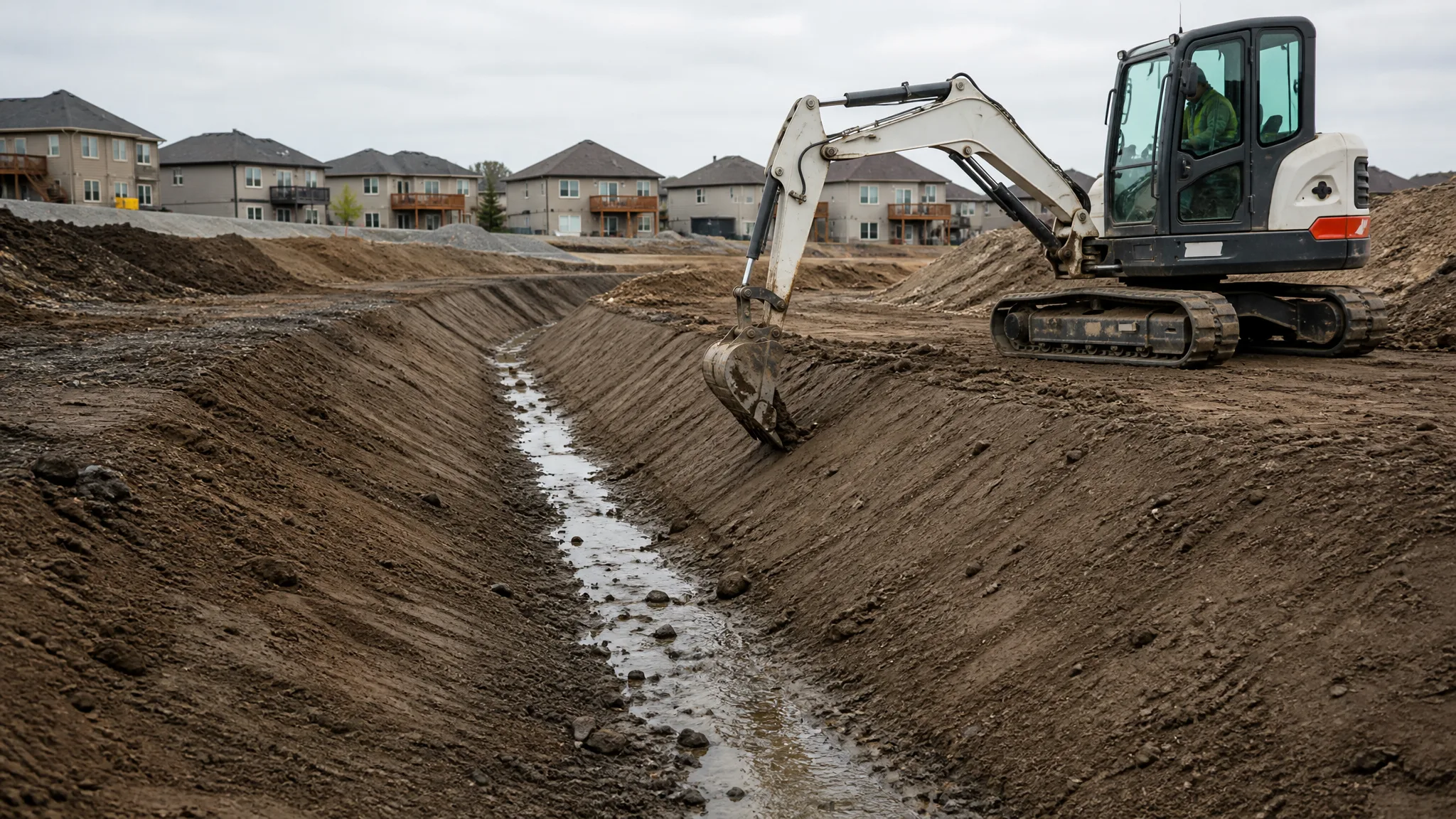
Cold slows seepage, and that is a trap. An excavation that hits groundwater in January can look manageable because the inflow is sluggish; the same cut in March can flood. Use pre-construction borings to anticipate the water table, and size your dewatering plan for spring conditions even when you are digging in winter. The methods are laid out in dewatering an excavation, and the value of knowing the profile beforehand is the subject of subsurface mapping.
Winter Erosion Control and Stormwater Compliance
Frozen ground sheds water instead of absorbing it, so snowmelt events generate runoff that a summer erosion plan was never sized for, and permit obligations do not pause for the season. Inspect silt fence after every storm and after significant snowmelt, and replace sections undermined by frost heave. Stake the locations of inlet protection before the first snowfall so it does not disappear under drifts. Winter rye provides real cover on disturbed areas that will sit idle, and rock check dams and compost socks tend to outperform standard silt fence in repeated freeze-thaw conditions. The permit framework is covered in what is a SWPPP, and installation detail in how to install a silt fence.
Equipment, Fuel, and Crew Safety in Freezing Conditions
Hydraulic fluid thickens as it cools, which raises pump wear and slows cycle times. Switch to the cold-weather fluid specified in the machine's operator manual before the season, allow a proper warm-up before production, and cycle the cylinders slowly through their full range so warm fluid reaches the whole system. On the fuel side, use winterized or blended diesel, add anti-gel treatment when temperatures drop, and keep tanks full overnight to limit condensation. Block heaters make cold starts dramatically easier on engines that sit outside.
Frozen, rocky ground also accelerates undercarriage and ground-engaging tool wear. Inspect track components before the season and keep replacement teeth and cutting edges on hand — sharp tooling is both faster and easier on the drivetrain. Rock-breaking technique in hard material is worth reviewing before winter; rock-breaking strategies for excavators covers the operating side.
Crew safety deserves the same planning. OSHA does not have a dedicated cold-weather standard, but the general duty clause still applies: employers must protect workers from recognized hazards including cold stress. Practical controls include training on the signs of frostbite and hypothermia, frequent short breaks in warm dry areas, scheduling work during the warmest part of the day, the buddy system, warm sweet drinks, and radiant heaters. Frostbite, hypothermia, and trench foot are all documented outcomes of unmanaged exposure, and wet feet lose heat far faster than dry feet.
Excavation Safety Does Not Take the Winter Off
Frozen walls look stable, and that is exactly the problem. An excavation face that holds rock-solid in the morning can soften and fail as the day warms or as sun hits the exposed side. OSHA requires a competent person to inspect excavations and adjacent areas daily and to classify soil — and in winter that classification has to account for freeze-thaw state, because soil that behaves as cohesive Type A while frozen can behave far worse as it thaws. The protective-system thresholds and soil classifications are covered in when is trench protection required, and they apply unchanged in January.
Bidding Cold Weather Earthwork
Winter bids fail most often because they are summer bids with a lower production rate penciled in. A realistic cold-weather number accounts for ripping or thawing time, reduced excavator production in frozen material, material heating or insulating covers where the specification demands density, extra testing and documentation, temporary protection of subgrade, and snow removal on haul roads. It also accounts for the possibility that a lift may need to be removed and replaced.
Say plainly in the proposal what the specification requires in cold conditions and what a thaw will do to previously accepted work. Owners accept that conversation far more readily than they accept a settlement claim the following spring. That habit — writing down the freeze-thaw risk before it becomes a cost — is the same discipline described in the jobsite handoff checklist, and it belongs in every winter proposal.